



Radar Healthcare Digital Consent Webinar
Wednesday 24 June | 12:00 – 13:30 (BST)
This CPDUK Accredited session brings together clinical leaders, patient safety experts and industry specialists to explore what good consent looks like in practice, and how a connected approach to digital consent can improve patient understanding, reduce risk and strengthen assurance across the organisation.
Learn how to deliver safer outcomes by bringing consent, risk and insight together
£460 million*. That’s what informed consent failures have cost UK healthcare in just six years. Yet consent is still often treated as a tick-box or form-filling exercise.
Join us for a 90-minute expert-led CPDUK accredited webinar exploring the evolving role of digital consent in modern healthcare and why patient understanding must sit at the heart of the process.
As expectations around consent continue to shift, healthcare organisations are under increasing pressure to deliver processes that are consistent, defensible and aligned with GMC guidance and legal standards.
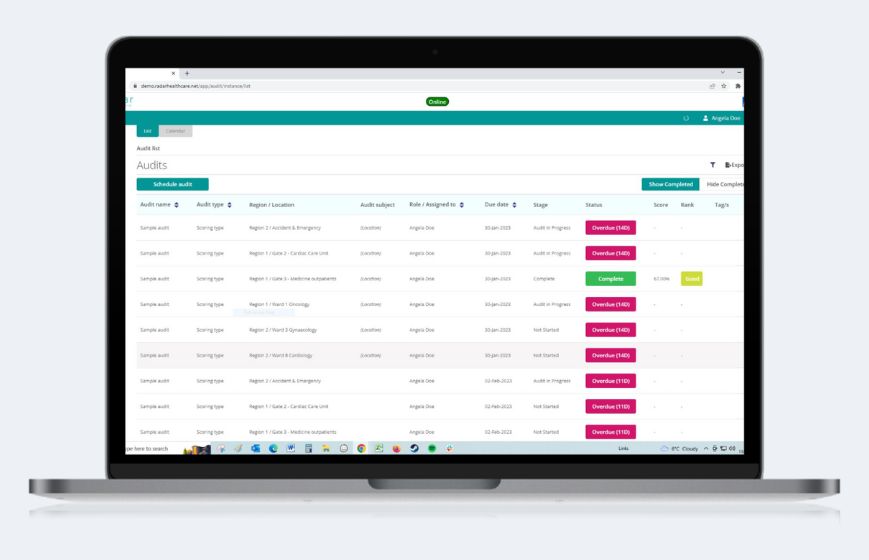
Radar Healthcare’s Digital Consent solution brings together consent, risk and insight in one connected system, helping organisations improve patient understanding, reduce risk and turn data into learning to deliver safer outcomes at every step.
Register hereAgenda and speakers
| 12:05 – 12:15 | Welcome and introduction Rhian Bulmer, Chief Customer Officer, Radar Healthcare |
| 12:15 – 12:35 | Panel session: Why patient education is an essential component of consent Rachel Power, Chief Executive, Patients Association Sophie Randall, Director, Patient Information Forum |
| 12:35 – 12:50 | Panel session (details TBC) |
| 12:50 – 13:00 | A surgeon’s experience Bryony Lovett, Consultant Surgeon, Mid and South Essex NHS Foundation Trust |
| 13:00 – 13:30 | Digital Consent demonstration, followed by Q&A with the speakers and panel |
What you’ll learn
In this session, we’ll explore what good consent looks like in practice and how to deliver it effectively.
Why patient education is a critical component of safe, informed consent
The risks of poor or incomplete consent, even when digital tools are used
How to deliver consistent, high-quality consent across pathways and teams
How Radar Healthcare Digital Consent supports auditability, defensibility and governance
Real-world perspectives from clinicians, patient groups and experts
Looking to implement digital consent in your organisation?
*Source: Information and comparison analysis based on NHS Resolution Data: Number and Cost of CNST Claims Closed (or settled with a periodical payment order) between financial years ‘2019/20’ and ‘2024/25’ with a damages payment, where the Primary Cause is ‘Fail to Warn – Informed Consent’ (acknowledging that there will inevitably be gaps between incident occurrence and claim closure which may impact the timing of claims being captured, and due to the way data is recorded, claims may appear in more than one dataset).