


Bringing Care Together: How Integrated Care and Digital Collaboration Improve Outcomes
A Conversation With Paul Johnson, Co‑Founder of Radar Healthcare
The UK spends over £220 billion a year on health and social care – but how do we make sure that investment truly improves lives?
That question sits at the heart of the NHS budget conversation, especially as health and care organisations focus on population health and stronger local services.
We spoke with Radar Healthcare’s co-founder and chair, Paul Johnson, about how technology, collaboration, and smarter care can drive real impact.
With the NHS’s 10-Year Plan aiming for integrated patient care and tech-enabled services, Radar Healthcare is helping turn vision into reality – connecting care from the frontline to strategic partnerships.
That includes supporting integrated care boards within integrated care systems, and integrated care partnerships to align health services around local health priorities. For many systems, the priority is clear: reduce health inequalities and improve health outcomes through health prevention and early intervention.
Q: How do we ensure what we invest leads to better outcomes?
And where does Radar Healthcare fit into making that impact?
In social care, this strain is most visible in the struggle to meet rising demand, particularly among people living with chronic conditions and facing health inequalities.
These conditions often deteriorate within social care settings, leading to avoidable hospital admissions. In some locations, the quality of care falls short of what is needed, contributing to higher rates of falls, pressure injuries, and medication errors, all of which further increase the likelihood of hospitalisation.
The same is true for mental health conditions, where delays in mental health care can worsen mental ill health and put extra pressure on local services. Person-centred care and early intervention can help support people before things escalate.
This pressure is then mirrored in hospitals, where rising demand and limited capacity make it increasingly difficult to respond. Waiting lists grow, and elective procedures are pushed back, leaving people waiting longer for operations and treatment.
Addressing these pressures requires a complex, long-term solution. One that’s reflected in the NHS’s 10-year plan, which aims to shift high-acuity care out of hospitals and into social care and the independent sector. This would allow these providers to spend time handling NHS services and routine operations.
It also supports joined-up care across primary care, general practice and GP practices, with access and patient experience treated as key components of the plan.
While clinical commissioning groups shaped earlier commissioning models, the focus now is partnership working through local partners and partner organisations. In practice, that can mean integrated neighbourhood teams, place-based partnerships and practice partners working side by side around shared pathways.
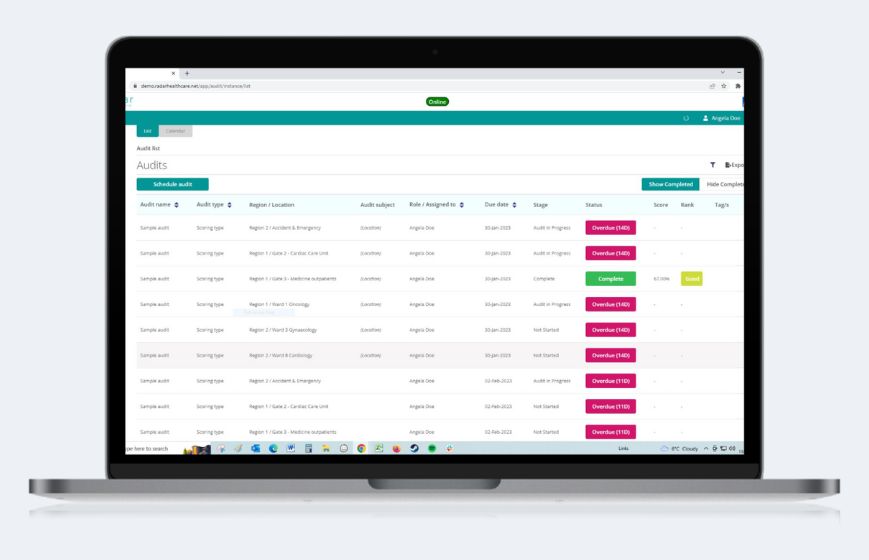
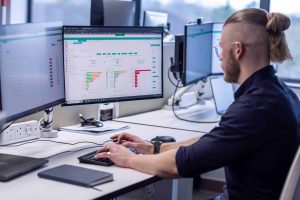 By working closely with health and social care providers, Radar Healthcare ensures services meet regulatory and compliance standards through tools like audit management, CQC dashboards, and quality assurance frameworks. Our software also helps reduce adverse events, risks and supports interoperability to connect systems across the care environment to better care for patients and service users and ultimately avoid hospital admissions.
That interoperability underpins clinical integration between NHS organisations and other providers, including specialised services, so transitions feel closer to seamless care.
For local providers and NHS providers alike, tackling long-term conditions means joining up healthcare and care organisations so that people receive coordinated care rather than fragmented care. It also supports digital health across independent providers, helping teams run more efficient services without losing the human touch.
Book a free demo to see Radar Healthcare in actionQ: Staying with the theme of connected care, how does Radar Healthcare support both health and social care providers in working more effectively together?
Radar Healthcare works across the whole health and social care continuum – from NHS trusts to private hospitals, complex care providers and care groups. With experience across these varied settings, we understand the specific challenges each sector faces.
We also work with local organisations delivering local services, helping people move between settings with less friction. That can include joint working with social workers, the voluntary sector and community health teams.
Our platform supports the secure capture and sharing of patient data, helping services coordinate care, streamline transitions (such as hospital discharge), and improve outcomes. We also help patients with smoother transitions from hospital to social care to improve outcomes for service users.
This is a practical route to integrated health and social care services. It also helps services spot risk earlier, supporting health promotion and health prevention at a local level.
A Global View of Integrated Care – Lessons from Qatar
This approach is already making a difference. A good example of this in action is our work in Qatar, where we partner with the Ministry of Public Health at a national level.
Every health system connects through a single entity within Radar Healthcare, giving the ministry full visibility across services.
This allows them to track performance, spot trends, and respond quickly to issues – all within one integrated healthcare system. That kind of integrated health view helps decision-makers balance local needs with national oversight.
The structure of integrated care organisations like these enables visibility across the board, helping to track underperformance, identify emerging trends, and respond to specific issues or complaints.
This is a powerful example of integrated care in action, connecting a wide range of health and care services under one system to provide oversight and insight. This allows the ministry to make informed decisions about where to invest and where to focus improvement efforts in their people-centred health services.
Discover more about our partnership with Aamal Medical here
This model of connected care is highly relevant to the UK, especially as the NHS moves towards more integrated, tech-enabled services under its 10-Year Plan.
Radar Healthcare is already supporting UK organisations in aligning services, improving communication between providers, and enabling smarter, preventative care.
By applying the same principles of national coordination and data-driven insight, we can help UK health and social care systems deliver more joined-up, impactful care.
That matters most when local people need the same standard of care wherever they enter the system. It is also where mental health support for young people can be coordinated across schools, primary care and specialist services.
Q: How is Radar Healthcare working with councils, commercial partners, and communities and building these relationships to support better outcomes?
Radar Healthcare operates throughout the whole ecosystem, and we are often connected to commissioned services and work with organisations delivering care on behalf of councils and local authorities.
Alongside this, we also collaborate with NHS England, giving us a broad view across both health and social care. This includes working with local councils and local government, alongside local partners, to plan services around wider determinants like education, economic development and access.
It is also where local needs, well-being and the goal to improve health come together for local communities. For many areas, NHS support broader social priorities also means planning for an ageing society and the workforce needed to deliver high-quality care.
That is where up-skilling programmes, career planning and a rewarding career pathway in social services can make a difference. For some routes into the sector, entry requirements, further study, academic skills and professional skills matter, as do practical barriers like tuition fees, living costs, student finance and a maintenance loan, especially for international students.
Within the healthcare system in the UK, we run roundtables and engage with thought leaders from a range of organisations, regulators, and services. These sessions help bring national voices into the room, while keeping the focus on our shared purpose, and what local health systems need on the ground.
They also support policy development by bringing a broad alliance of local and national perspectives together.
We’re actively seeking to align with and learn from the most innovative and influential leaders in the sector. Their experience and insight help us stay ahead of the curve and collaborative working ensures we continue delivering meaningful impact across health and social care.
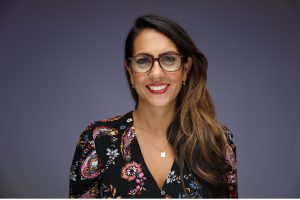 We recently brought on Dominique Allwood, CEO of Imperial Health College, to our board of directors. She brings extensive healthcare experience, knowledge of health innovation and digital transformation to improve patient outcomes through data.
This appointment reflects our commitment to continuous growth and making a difference to deliver best possible care.
Learn more about this recent appointment
As a technology provider, it is important that we understand what the system needs and without wider collaboration, with our partners, professionals, clinicians, commissioners, and communities, we would only see one part of the picture.
We also work with academics to strengthen research skills, research methods and ethical considerations so any improvements are grounded in evidence.
Q: Building on that, what kind of feedback are we getting from our partners and how is it helping to shape the platform?
We gather valuable feedback through a wide range of customer touchpoints, including our sector-specific user groups, online community, and dedicated customer experience team.
These channels have shaped key areas of the platform, from flexible reporting and event tracking to improved integration and usability. By listening to our partners, we ensure Radar Healthcare innovates in ways that reflect real-world needs and delivers meaningful impact.
That feedback also highlights where teams want stronger employability skills and professional skills development so people can successfully complete training and deliver life care with confidence.
We are seeing a growing use of AI, particularly in how it can better support staff. Feedback from our independent healthcare partner shows that the AI assistant is proving valuable and providing accurate data and actionable recommendations.
For example, it flagged a 120% increase in internal ICU admissions, which was later verified by the relevant departments, allowing for quicker action and intervention.
However, it’s essential that AI is introduced in a controlled and responsible way. Radar Healthcare is well-equipped to do this, and offers a safe, secure environment for health and social care providers to adopt AI effectively.
Q: With all the pressure on the NHS and social care, how can data and risk management tools help organisations thrive?
Fundamentally, people don’t attach enough meaning to reducing risk and reducing adverse events but doing so has a direct impact on the quality of care.
The more time staff can spend with patients and service users, the better the outcomes. Every adverse event carries a cost in the NHS, whether that be a collapse, stroke or medication error. Even a 10-20% reduction in these events can lead to significant monetary savings and improve patient outcomes.
Reducing adverse events also strengthens quality and governance, helping care settings achieve and maintain high ratings against regulatory standards.
A higher rating is not only a marker of better patient outcomes but also reflects greater efficiency and commercial viability. Data collected through Radar Healthcare plays a crucial role in this. By identifying risks early, tracking trends, and enabling evidence-based decisions, organisations can provide safer and more effective care.
Q: Looking ahead, what’s your vision for Radar Healthcare’s role in shaping the future of health and social care in the UK and beyond?
We’re committed to continuous innovation and bringing a global perspective to drive best practices. Radar Healthcare has a real opportunity to connect social care and the NHS into a single system view; to enable meaningful change in patient safety, outcomes, quality, and performance.
In the UK and globally, health and social care services are disconnected, and Radar Healthcare can help build more integrated services and data-driven systems.