


The Importance of Incident Reporting in Healthcare
Incident reporting is a fundamental aspect of health and social care organisations across the UK, and is a vital tool for improving patient safety, care quality and organisational learning.
By systematically documenting and analysing all incidents, from near misses to adverse events, healthcare providers can identify patterns, uncover root causes, and implement strategies to prevent reoccurrence.
This process can be facilitated through tools like the LFPSE to help record patient safety incidents efficiently. However, the scope of incident reporting should also include learning from excellence and capturing positive feedback.
Here we explore the critical role of incident reporting in healthcare, the benefits it brings to organisations, and how Radar Healthcare’s Incident Management Software can support these processes.
Why Is Incident Reporting Important in Healthcare?
Incident reporting is more than just a regulatory obligation. It is a critical component of a high-performing healthcare organisation. Here’s why:
1️⃣ Improving Patient Safety
Incident reporting allows healthcare providers to capture and analyse data relating to each incident. For example, an incident report in hospital settings might involve a detailed account of a medication error found during routine checks in community pharmacies.
This data can help to identify potential risks and prevent reoccurrence, while refining current actions and processes to ensure the highest standards of patient care.
If these issues are effectively addressed, organisations can improve the safety of patients, residents and staff.
2️⃣ Promoting a Culture of Transparency
When staff members feel safe to report both incidents and positive outcomes without fear of blame, it encourages open communication and collective problem-solving. This not only helps to prevent harm but also fosters a sense of ownership and responsibility among staff.
3️⃣ Facilitating Organisational Learning
Systematic review of incidents and positive events allows healthcare organisations to implement changes that lead to continuous improvement. For instance, examples of incident reports in hospital settings could inform training protocols or adjustments to workflows to enhance patient care. This might involve revising protocols, staff training, or investing in new technologies that reduce the likelihood of future incidents.
4️⃣ Strengthening Trust with Patients & Residents
When health and social care organisations are transparent about incidents and committed to learning from them, it builds trust with patients or residents and their families. This trust is crucial for maintaining a positive relationship with the communities they serve.
5️⃣ Compliance with Regulatory Requirements
Health and social care organisations are often required to report certain types of incidents to regulatory bodies such as the CQC. Learning From Patient Safety Events LFPSE ensures this compliance and supports commissioners in making data-driven decisions. Incident reporting systems ensure that organisations remain compliant with these requirements, avoiding potential legal and financial consequences.
“One of the main drivers for transitioning to digital processes was the ability to be able to properly analyse data, spot trends, and then learn from this and make decisions based on the results. Without a solution that automatically manipulates data for you, reporting on what is working well and understanding what could do with improvement becomes difficult, very labour intensive, and potentially inaccurate.
Having one solution that centrally stores everything from our audits, incidents, events, improvement plans, and more, not only increases visibility, improves efficiency, and is financially savvy, but it frees up our operational staff’s time, allowing them more time to do their primary role of providing excellent care and support to our residents.”
Expanding the Scope: Learning from Excellence and Positive Feedback
While incident reporting is often associated with accidents or adverse events, it is equally important to recognise and learn from instances of excellence and positive feedback.
By broadening the scope of reporting to include positive outcomes, healthcare organisations can:
Reinforce Best Practices
Reporting and analysing instances of excellence allow organisations to identify and reinforce best practices. For example, aged care facilities can document and share exceptional patient care techniques that improve quality of life for residents. By understanding what works well, healthcare providers can replicate successful strategies across the entire organisation.
Boost Staff Morale
Recognising and celebrating positive outcomes not only boosts staff morale but also encourages a culture of continuous improvement. It reminds healthcare professionals that their efforts are valued and contributes to a more engaged workforce.
Balance the Narrative
Including positive feedback alongside incident reporting provides a more balanced view of organisational performance. This holistic approach helps to ensure that both challenges and successes are recognised, leading to more comprehensive learning and improvement.
Radar Healthcare’s Events Module is designed to facilitate this broader approach to reporting. Whether it’s an incident, a positive outcome, or an innovative idea, the system allows staff to record and analyse all types of events.
We are really keen to share our experiences to help other organisations deliver better care for patients. We are not just ticking a box for CQC, we genuinely care about what we do and creating the best possible outcomes for patients. Radar Healthcare helps us to do that by shared learning, learning from excellence and highlighting how we have dealt with any issues.
How Radar Healthcare Can Help with Incident Reporting and Learning from Excellence
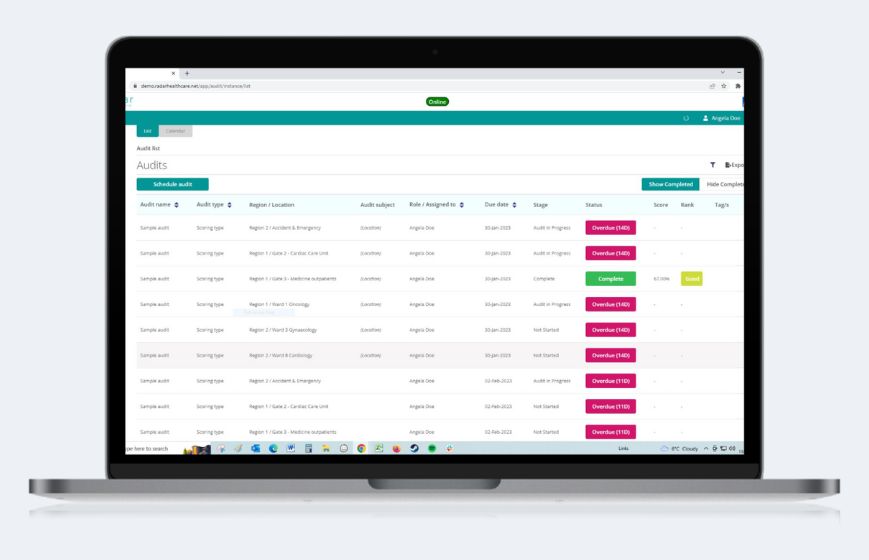
Radar Healthcare’s Incident Management Software is designed to streamline the process of reporting, analysing, and learning from not only accidents and incidents but positive events and feedback.
1️⃣ Simplified Reporting Process
Radar Healthcare’s system allows for easy and intuitive incident reporting. Staff can quickly log incidents or positive outcomes in real-time and on any device, ensuring that no detail is missed. This flexibility ensures that information is readily available to those who need it, from caregivers to commissioners.
2️⃣ Comprehensive Data Analysis
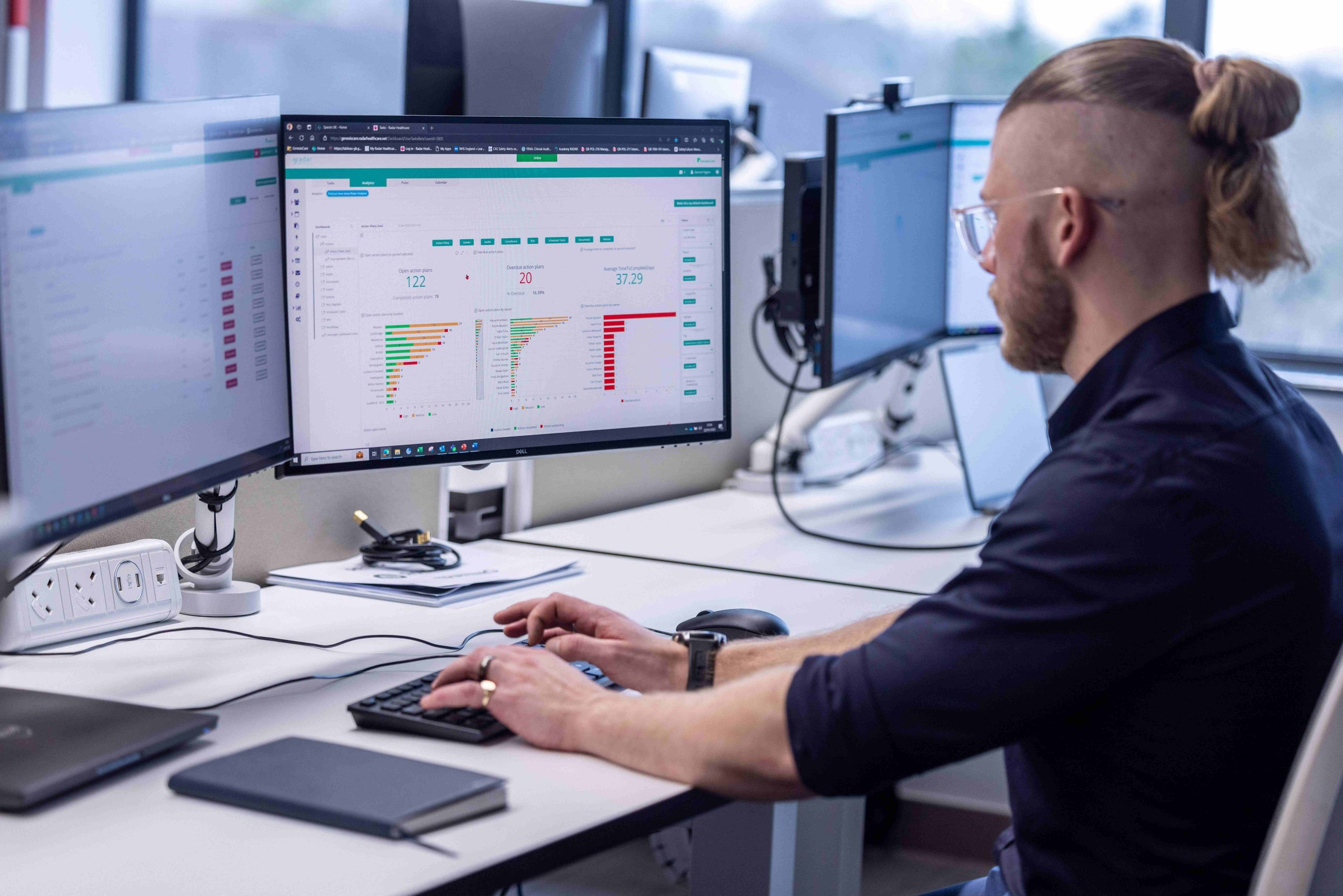
The platform provides powerful analytics tools to help organisations identify trends, root causes, and best practices. With examples of incident reports in hospitals or community pharmacies, organisations can drive targeted interventions. This allows for more informed decision-making and targeted interventions to improve patient safety and care quality.
As Somerset NHS Foundation Trust explains, “Rather than sitting back and waiting to be fed data, staff are using the dashboards to identify their own issues, drill down into specific events, and make informed decisions based on real-time insights.”
3️⃣ All-In-One Solution
Radar Healthcare’s Incident module integrates seamlessly with our other modules, such as the Risk module and Audits module, providing a holistic view of organisational performance. This full picture view is key to driving continuous improvement and ensuring compliance with regulatory bodies and frameworks like the Patient Safety Incident Response Framework (PSIRF) or Learning From Patient Safety Events (LFPSE).
4️⃣ Integrated Action Plans
Once an incident is reported or a positive outcome is identified, healthcare teams can immediately create and assign action plans within the system. These plans can include tasks, deadlines, and responsibilities, ensuring that follow-up actions are clearly defined and tracked, turning lessons learned into concrete actions.
5️⃣ Customisable Workflows
The action plan feature allows organisations to build actionable steps directly into their incident reporting workflows. The system is highly customisable, allowing organisations to tailor workflows to their specific needs. This flexibility ensures that the software can adapt to the unique challenges and requirements of different healthcare settings.
Incident Reporting is Indispensable in Healthcare
Incident reporting, when expanded to include learning from excellence and positive feedback, is indispensable. It plays a crucial role in improving patient safety, fostering a positive culture of transparency and striving for continuous improvement.
Radar Healthcare’s Incident Management Software helps healthcare organisations to transform their inefficient reporting processes to ensure compliance, and ultimately deliver better care.
You Might Also Be Interested In...

Podcast: Patient Voices and Triangulating Feedback
Find out moreUncover the secrets behind delivering top-tier healthcare services as Marion Shipman and Nicki-Mantel Cooper from NICS share their insights with host, Corrina.

Transforming Care Excellence: HC-One’s Success with Radar Healthcare
Find out moreDiscover how our partnership with HC-One, a leading care home provider, has revolutionised incident reporting for them.

Podcast: The Metrics that Mean a Good Quality of Life
Find out moreHear how technology elevates tailored care at Exemplar Health Care.
Empowering Patient Safety: Innovations in LFPSE
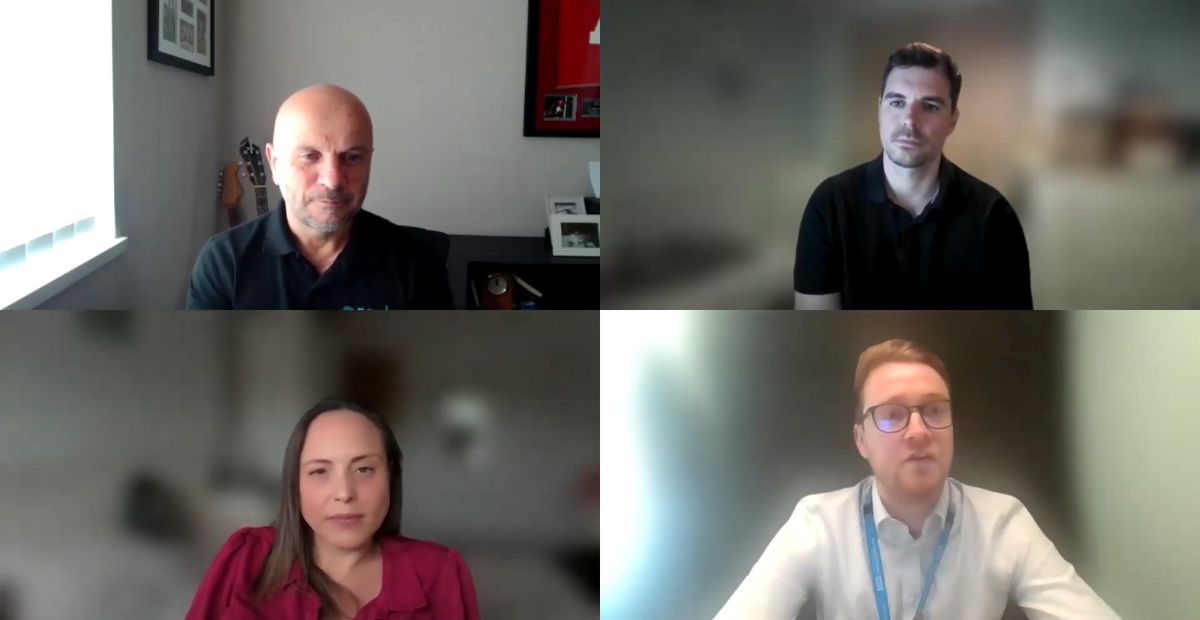
Find out moreIn our webinar with Digital Health and Guy’s and St Thomas’ Foundation NHS Trust (GSTT) , we explored the topic of LFPSE and how innovative approaches can enhance patient outcomes on a broader scale.