

What Software Do Top UK Care Groups Use to Stay Compliant with CQC Regulations?
As UK care organisations grow, compliance becomes less about individual homes and more about how effectively quality, risk and governance are managed across the group.
For large care providers, staying compliant with CQC regulations isn’t just a matter of having the right policies or completing audits. It requires clear oversight, consistent processes, and the ability to evidence learning and improvement across multiple regions, services and leadership layers.
This has led many senior leaders to ask a slightly different question than they might have done in the past: what software do top UK care groups actually use to stay compliant with CQC regulations?
The answer is less about specific features, and more about the capabilities that leading organisations prioritise as they scale.
Why compliance becomes more complex at care group scale
Single homes can often manage compliance using a combination of local systems, spreadsheets and manual processes. However, as care groups expand, these approaches quickly begin to break down.
 Large care providers typically face:
- Multiple regions with different operational pressures
- A mix of service types, such as residential, nursing, dementia, supported living or specialist care
- Several layers of leadership, from registered managers through to regional teams and boards
- Increased scrutiny from regulators on governance and oversight, not just care delivery
In this environment, compliance risks are rarely isolated. Issues that begin in one service can remain hidden at group level unless there is a clear system for visibility, review and action.
Top‑performing care groups recognise this early and adapt their approach accordingly.
What the CQC increasingly expects from large care organisations
The Care Quality Commission’s expectations have evolved significantly over recent years. While strong frontline care remains essential, inspections now place much greater emphasis on leadership, governance and assurance.
For care groups, inspectors typically want to see:
- Clear organisational oversight of quality and risk
- Evidence that learning is captured and shared across services
- Consistency in how audits and assurance activities are carried out
- Effective follow‑through on actions arising from incidents, complaints and inspections
- Confidence that leaders understand what is happening across the group, not just in individual homes
This means that compliance evidence can no longer exist in silos. It needs to be connected, traceable and readily accessible.
CQC UPDATE: Proposed inspection changes from 2026
The CQC has proposed changes to its inspection approach, including the return of Key Lines of Enquiry (KLOEs). The aim is to simplify inspections, improve consistency, and place greater emphasis on observing care in practice, rather than relying heavily on written evidence.
Proposals include fewer Quality Statements, clearer judgements at Key Question level, shorter inspection reports, and the reintroduction of Good and Outstanding characteristics. Sector-specific frameworks are also expected to return.
These changes are currently out for consultation but signal a clear move towards more practical, common-sense inspections.
👉 Read our full breakdown of the proposed CQC changes and what they could mean for providers
What top UK care groups look for in compliance software
Rather than asking “which tool has the most features?”, leading care groups tend to focus on whether a platform supports governance at scale.
Across the sector, there is a clear pattern in what senior quality and compliance leaders prioritise.
1. Organisation‑wide visibility
Top care groups invest in software that provides a single, reliable view of quality and compliance across all services.
This typically includes:
- Group‑level dashboards and reporting
- The ability to drill down from board or regional views into individual homes
- Real‑time access to data rather than retrospective reporting
Without this visibility, leadership teams are often left relying on snapshots or anecdotal updates, which makes proactive governance difficult.
2. Consistency without losing local flexibility
Leading organisations understand the importance of standardisation, particularly when it comes to audits, incident reporting and assurance processes.
However, they also recognise that different services may require some local variation.
The platforms most often used by top care groups support:
- Shared frameworks and templates at group level
- Controlled flexibility for different service types
- Confidence that data is still comparable and meaningful across the organisation
This balance helps maintain quality while respecting operational realities.
3. Clear accountability and action management
One of the most common compliance risks at scale is not identifying issues, but failing to ensure actions are completed and reviewed.
Care groups with strong CQC outcomes tend to use systems that:
- Link incidents, audits and complaints directly to improvement actions
- Assign clear ownership and deadlines
- Provide visibility of overdue or recurring issues
- Allow leaders to see whether actions are genuinely driving change
This supports inspectors’ expectations around learning and continuous improvement.
4. Evidence that is inspection‑ready at all times
Top‑performing care groups avoid last‑minute scrambles to compile evidence when an inspection is announced.
Instead, they use compliance and quality software to maintain evidence continuously, so that:
- Policies, audits and action plans are always up to date
- Trends and themes can be demonstrated over time
- Leadership oversight is visible and well documented
This approach supports calmer, more confident inspections and helps organisations engage constructively with regulators.
Systems that care groups typically move away from
Another revealing pattern is what leading care groups choose not to rely on as they scale.
As organisations grow, many find that:
- Spreadsheet‑based processes become fragile and unmanageable
- Single‑home tools lack group‑level reporting and governance capability
- Generic GRC platforms can be difficult to configure for care‑specific workflows and CQC language
- Disconnected systems increase risk rather than reduce it
Moving away from these approaches is often a turning point in how compliance is managed at organisational level.
What type of platforms do leading care groups choose instead?
 Rather than one‑size‑fits‑all solutions, top UK care groups tend to choose platforms that are:
- Designed specifically for health and social care
- Aligned to UK regulatory frameworks, particularly the CQC
- Proven to scale across large, complex organisations
- Supported by strong references from other care groups
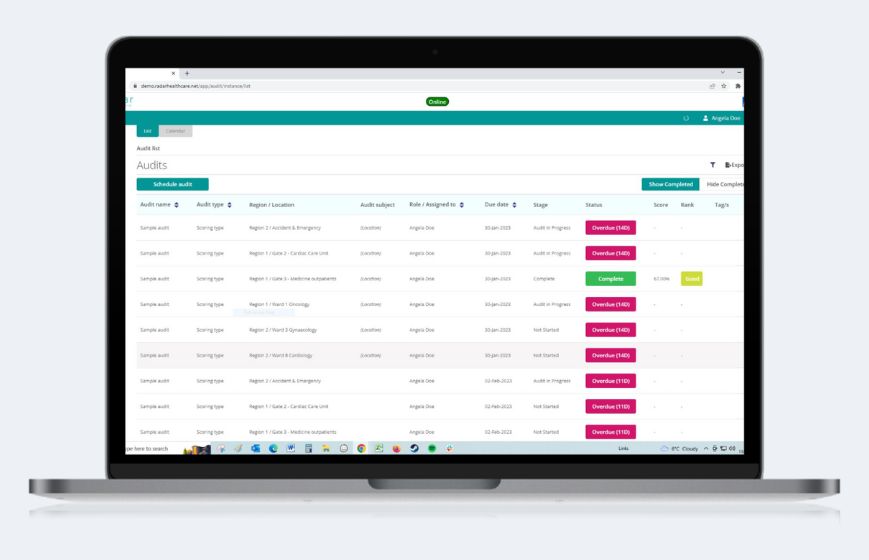
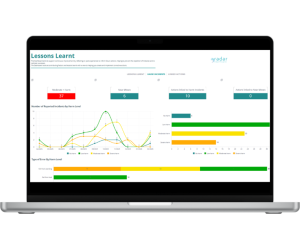
Platforms such as Radar Healthcare are used by large care organisations as part of this shift. These systems bring together incident management, audits, risk, actions and reporting in a way that supports governance and assurance, rather than just record‑keeping.
The key factor is not the presence of individual tools, but how effectively the platform supports leadership understanding and decision‑making.
Why customer reference matters at care group level
One consistent theme across top‑performing care groups is the importance placed on peer experience.
Senior leaders often look for:
- Evidence that a platform is already used by organisations of similar size
- Proven adoption across multiple regions or service types
- Stability and long‑term partnership rather than short‑term procurement
Strong references from established care groups help reduce risk when selecting compliance software, particularly for organisation‑wide rollouts.
Staying compliant is about confidence, not just control
Ultimately, the question “what software do top UK care groups use to stay compliant with CQC regulations?” is about more than technology.
It reflects a broader shift in mindset:
- From reactive compliance to proactive governance
- From local assurance to organisation‑wide visibility
- From manual oversight to evidence‑led leadership
Leading care groups choose compliance and quality software that supports this shift, enabling them to maintain high standards, demonstrate learning and lead with confidence as their organisations grow.