


What Platforms Help Improve CQC Ratings by Strengthening Governance and Assurance?

CQC ratings are often seen as a direct reflection of care quality at service level. But for large care organisations, inspection outcomes are increasingly shaped by something broader: how effectively governance and assurance operate across the group.
In recent years, many UK care providers have found that improving CQC ratings depends less on isolated improvements within individual homes, and more on how clearly leadership can demonstrate oversight, learning and accountability.
This shift has led senior teams to ask a critical question:
what platforms actually help improve CQC ratings by strengthening governance and assurance at scale?
Why governance plays a growing role in CQC outcomes
The CQC’s assessment framework has evolved to place much greater emphasis on leadership, governance and organisational learning.
 Inspectors are no longer looking solely at whether policies exist or audits are completed.
They want to understand:
- How risks are identified and escalated
- Whether issues are reviewed beyond the individual service
- How learning is shared and embedded across the organisation
- Whether leaders have real oversight of quality and compliance
For care groups, this means governance is no longer a background function. It has become a central factor in how organisations are judged.
Where governance is fragmented, inconsistent or overly manual, it becomes much harder to evidence control and improvement — even when care delivery itself is strong.
CQC UPDATE: Proposed inspection changes from 2026
The CQC has proposed changes to its inspection approach, including the return of Key Lines of Enquiry (KLOEs). The aim is to simplify inspections, improve consistency, and place greater emphasis on observing care in practice, rather than relying heavily on written evidence.
Proposals include fewer Quality Statements, clearer judgements at Key Question level, shorter inspection reports, and the reintroduction of Good and Outstanding characteristics. Sector-specific frameworks are also expected to return.
These changes are currently out for consultation but signal a clear move towards more practical, common-sense inspections.
👉 Read our full breakdown of the proposed CQC changes and what they could mean for providers
Common governance gaps that impact CQC ratings
When care organisations struggle to achieve or maintain strong CQC ratings, the underlying issues are often systemic rather than isolated.
Across the sector, recurring governance challenges include:
- Quality, risk and compliance data held in separate systems
- Audits completed locally but not reviewed consistently at group level
- Improvement actions raised but not clearly owned or followed through
- Leadership teams relying on retrospective reports rather than real‑time insight
- Difficulty demonstrating learning across services during inspections
Individually, these issues may seem manageable. Collectively, they weaken assurance and make it harder to present a coherent picture of governance to inspectors.
How digital platforms strengthen governance and assurance
Care groups that improve CQC outcomes typically move away from manual, fragmented processes and adopt digital platforms that support governance as an ongoing activity, not an inspection‑driven task.
The most effective platforms strengthen governance in several key ways.
1. Centralised visibility across the organisation
Strong governance starts with visibility.
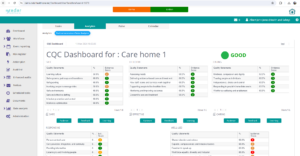
Platforms that support better CQC outcomes provide leadership teams with a single view of quality, risk and compliance across the entire organisation. This allows boards, directors and regional managers to:
- Understand emerging risks early
- Identify patterns across homes or regions
- Intervene proactively rather than reactively
Without this level of visibility, governance becomes dependent on periodic reporting and local escalation, which can mask issues until inspections uncover them.
2. Evidence that clearly shows learning and improvement
CQC inspections place significant weight on whether organisations can demonstrate learning — not just that incidents or audits occurred.
Digital governance platforms help by:
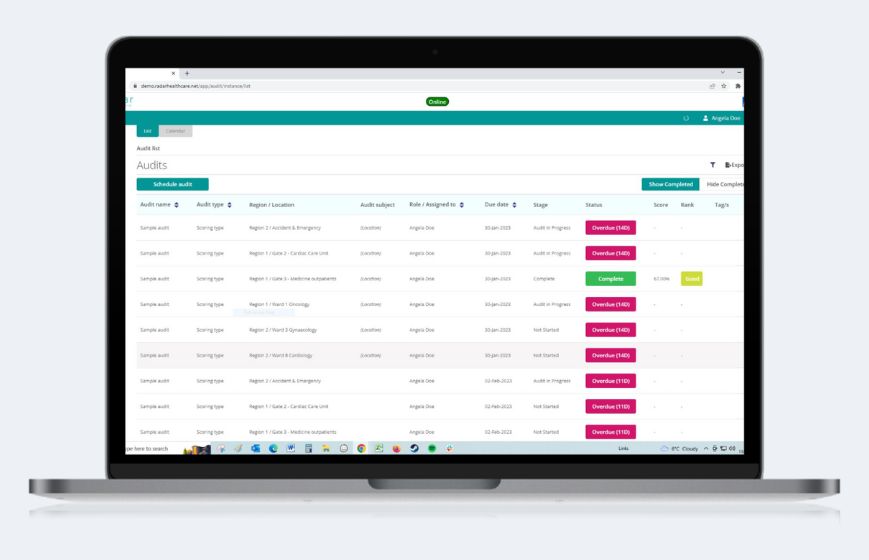
- Linking incidents, audits and complaints to improvement actions
- Tracking whether actions are completed and reviewed
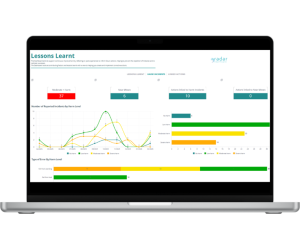
- Showing how changes have reduced recurrence or risk over time
This creates a clear audit trail that inspectors can follow, making it easier to evidence continuous improvement rather than one‑off responses.
3. Consistency in assurance activity across services
For large care groups, inconsistency is one of the biggest threats to strong governance.
Platforms that support CQC improvement allow organisations to:
- Standardise audit frameworks across services
- Maintain consistent thresholds and escalation processes
- Ensure evidence is comparable across different settings
At the same time, effective systems allow limited flexibility so different service types can reflect their specific risks without undermining group‑level assurance.
4. Clear ownership and accountability
A common governance failure highlighted during inspections is the absence of clear accountability.
Care organisations with strong CQC outcomes use platforms that make accountability visible by:
- Assigning clear owners to actions and risks
- Setting expectations around timeframes and review
- Allowing leadership teams to monitor progress easily
This reduces the risk of actions drifting or being closed without meaningful impact, a concern frequently raised by inspectors.
Why generic systems often fall short
Many care providers initially attempt to strengthen governance using generic tools or adapted systems. However, these approaches often struggle to deliver meaningful assurance.
Common limitations include:
- Poor alignment with CQC language and expectations
- Limited ability to reflect care‑specific workflows
- Heavy configuration requirements that increase administrative burden
- Weak visibility at group and board level
As CQC expectations continue to evolve, care groups increasingly seek platforms designed specifically for health and social care environments.
The role of care‑specific platforms in improving CQC outcomes
 Platforms designed for care providers are typically built around regulatory expectations, care delivery models and operational realities unique to the sector.
Systems such as Radar Healthcare are used by care groups looking to:
- Strengthen governance without increasing complexity
- Maintain inspection‑ready evidence at all times
- Support consistent quality improvement across multiple services
The value of these platforms lies not in individual features, but in how well they support leadership oversight, accountability and assurance at scale.
Improving ratings starts with visible governance
Improving CQC ratings is rarely about a single intervention. It is the result of sustained, organisation‑wide governance that supports quality, learning and accountability.
Care groups that achieve stronger inspection outcomes tend to:
- Treat governance as a continuous process
- Invest in platforms that support real‑time oversight
- Embed learning into everyday practice rather than inspection preparation