

Partnership, Learning, and Practical Insight: How Collaboration With Partners Shapes Better Care Outcomes
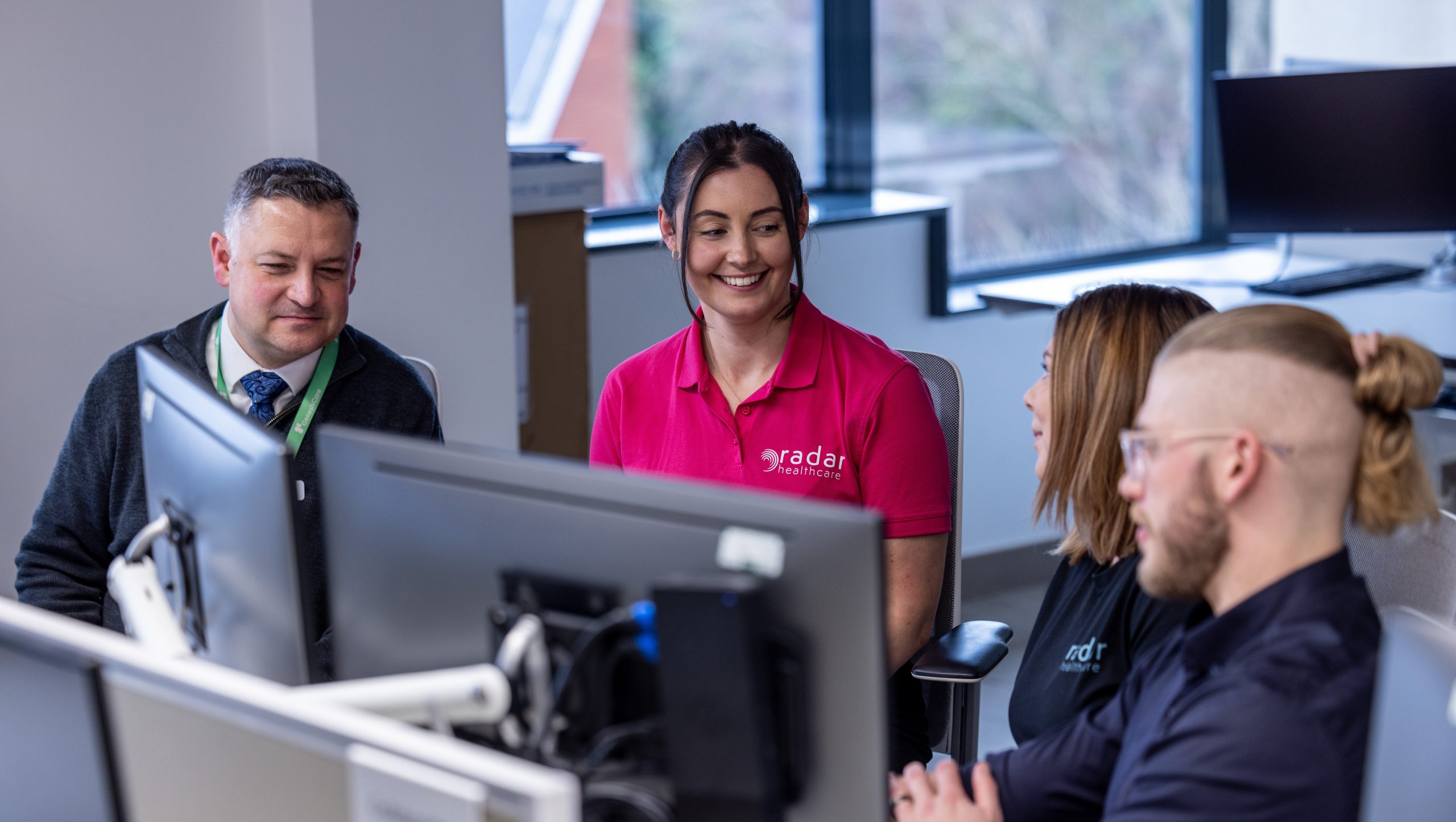
Delivering consistent, high quality, person-centred care outcomes now requires more than resources or processes, it depends on collaboration, practical insight and systems shaped by those working on the front line. Care organisations need clarity in what they see, confidence in the information guiding their decisions, and systems that understand the realities of care.
Collaboration with our partners is a foundational part of Radar Healthcare. We actively listen as they share insight into the pressures their teams face and the support that helps them day-to-day. These conversations shape where attention and innovation are directed and ensure that the support provided reflects real-world practice.
 This experience is reflected in organisations such as Achieve Together. In 2025 alone, they recorded more than 35,000 events with behaviour observation and incidents accounting for almost 70%. By introducing behaviour observation codes and reviewing processes, Achieve Together recognised where duplication could be removed and workflows simplified, freeing time for staff and improving data clarity. Building on these insights, in February 2026, Achieve Together launched a fully integrated safeguarding workflow within Radar Healthcare. The new system removes duplicate entries and makes it immediately clear whether an incident meets safeguarding criteria.
For social care providers, these developments matter because they help ensure that teams have the right insight, at the right time, to deliver consistent care outcomes.
Through this partnership led approach, Radar Healthcare provides tools and support that reflect everyday pressures and priorities, helping social care organisations deliver more consistent and improved care outcomes for the people they support.
The Value Radar Healthcare Brings to Our Partners
For many care organisations, the value of Radar Healthcare lies in the clarity and reliability it brings to day-to-day oversight. When information is easy to interpret and is shared consistently, teams are better equipped to take informed action, understand where support is needed and maintain confidence in the decisions they make.
Radar Healthcare supports this by bringing reporting, insight and analytics together in a single, integrated platform. This gives providers an organisation-wide understanding of events, trends and outcomes, helping them move away from siloed information and towards a more aligned view of quality and performance. The benefits partners describe is not simply the availability of data, but the reassurance that insight is structured, accessible and grounded within social care. This support is not driven by technology alone. It is also shaped by ongoing conversations with our partners about the pressures their teams face, the challenges that impact their work and the clarity that helps them feel confident in their decisions.
The impact of this partnership‑led approach can be seen in how widely Radar Healthcare is used across the sector and the difference it makes to organisations we work alongside. More than 160,000 people use the platform each month, recording over 1.7 million events every year and creating more than 1,000 dashboards to support local and organisational oversight. Additionally, seven of the UK’s ten largest care groups use Radar Healthcare as part of their quality and improvement processes, reflecting the trust placed in a system designed around real‑world practice. This is also reflected in the 2025 Net Promoter Score survey, where 91% of respondents reported improvements in quality and improvement since adopting Radar Healthcare, highlighting the value that clearer, more detailed data can bring across teams and services.
"Thanks to Radar Healthcare’s expertise and support, events and audits have been successfully embedded across our services, strengthening our safety culture and improving how we respond to incidents."
Our New and Updated Toolkits and Dashboards
As teams work under increasing pressure, having clear and reliable structures for recording and understanding events becomes essential. To support our partners with clear reporting and governance, Radar Healthcare have released updated toolkits that align with regulatory and clinical expectations. The toolkits are designed with everyday realities in mind, offering best practice event forms, workflows and dashboards that support consistent reporting. They also help teams capture information accurately, give managers confidence in the quality of the data they are reviewing and provide senior leaders with full oversight and the confidence that decisions are made based on reliable data.
Every toolkit now comes with its own bespoke prebuilt dashboard, ensuring that insight is available immediately and without the need for additional configuration. Instead of teams building dashboards themselves or interpreting data in isolation, information flows directly into a clear, accessible view that highlights key themes and emerging patterns. This helps staff move quickly from recording an event to understanding its context, reducing duplication and saving valuable time in already demanding environments.
Additionally, we have introduced two new crosscutting dashboards, Lessons Learnt and Safeguarding, that provide a more comprehensive view of themes and outcomes. The Lessons Learnt dashboard brings together contributing factors and findings from all recorded events, including high risk areas such as choking. It helps leaders identify recurring issues, understand where actions have been effective and recognise where good practice can be strengthened. The Safeguarding dashboard offers a consolidated view of safeguarding activity supporting timely responses, consistent responses and clearer governance across organisations.
These developments reflect Radar Healthcare’s focus on creating tools that genuinely support the people using them. Designed by experts with experience in health and social care, our new toolkits and dashboards are practical, trusted and genuinely support care providers.
By aligning best practice and more defined workflows, our updated toolkits offer a practical foundation for shared learning, consistent practice and earlier, more confident decisions.
How Our Product Advisory Panel Creates Space for Collaboration
Ensuring that development stays closely aligned with the needs and experiences of social care providers requires structured spaces where they can share insight, reflect openly and shape future priorities. To support this, Radar Healthcare created the Product Advisory Panel.
Bringing together senior leaders and the Radar Healthcare team, the panel enables organisations to discuss the pressures they are navigating, including regulatory change, workforce challenges and the need for clear visibility of risk, as well as the expectations placed on their teams and the areas where additional tools would support frontline staff.
The insights shared through the panel play an important role in guiding how Radar Healthcare continues to evolve. Those involved bring a detailed understanding of how information moves through their organisations, how teams engage with reporting and where training may need to be strengthened. This helps inform developments that make a meaningful difference in practice, influencing product direction, shaping dashboard evolution, supporting onboarding and adoption, and strengthening the connection between governance needs and everyday usability.
Through this ongoing collaboration with our partners, the Product Advisory Panel ensures that Radar Healthcare continues to develop in ways that reflect operational reality and a shared commitment to strengthening consistency, confidence and care outcomes.
"If something isn’t working well, we’ll jump on it straight away with [Radar Healthcare]. We’re working very closely with Radar Healthcare to make sure we’ve got the right fit."
Radar Healthcare’s First User Group Summit
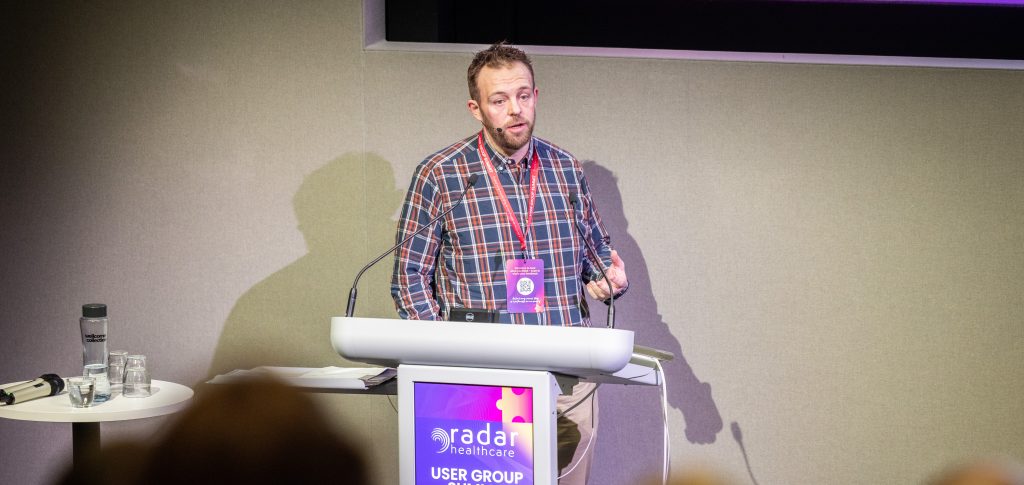
Earlier this year, we held our first User Group Summit, which was built on the same collaborative approach already established through our ongoing partnership work. The day brought together organisations from across health and social care who use Radar Healthcare and created a space where they shared experiences, pressures their teams face and learnt from one another.
Our partners spoke candidly about the pressures shaping care delivery and the points where additional support from Radar Healthcare helped teams in their day-to-day work. What stood out across the discussions was the value placed on learning from each other. Many attendees highlighted how Radar Healthcare’s User Groups, held throughout the year to highlight product updates and user experiences, give them a chance to compare approaches, understand how others use Radar Healthcare in practice and share ideas that can make a meaningful difference for their own teams. The User Group Summit enhanced this sense of collective learning, demonstrating how much progress becomes possible when organisations can share their experiences with each other.
For Radar Healthcare, the User Group Summit provided further clarity on what matters to our partners, highlighting the importance of tools that are intuitive, insights that can guide workflows and how partnership working benefits organisations. These reflections continue to shape our priorities and inform ongoing improvements in the system.
The User Group Summit was not a standalone moment, but part of a wider commitment to working in partnership with care organisations and creating opportunities for shared learning.
A clear takeaway was that progress happens the most effectively when we work together. As Rhian Bulmer stated in her closing remarks: “We all need communities and we’ve created one here at Radar Healthcare. We are so proud of what we’ve created and where we’re going.”
Keeping Our People and Partners at the Centre
Keeping people and partners at the centre of development is essential to ensuring digital systems genuinely support the work of those delivering care. Creating the space for conversations with our partners, whether through our Product Advisory Panels, User Groups or ongoing engagement, highlights the importance of systems that reflect the realities of practice and helps us truly understand the work our partners do.
This approach shapes how Radar Healthcare continues to evolve. Updates are guided by what partners tell us matters most and by responding to these insights we aim to provide tools that help organisations work more effectively, reduce avoidable burden and strengthen the outcomes experienced by the people they support.
This people focused, partnership led approach remains central to Radar Healthcare’s work and continues to guide how support develops for the future.
Looking ahead, Radar Healthcare will continue to strengthen our collaboration with our partners, expanding opportunities for shared learning and shaping support alongside the organisations we work with. This approach helps ensure that digital tools remain aligned with operational reality, while keeping people at the centre of development.
Book a demo Meet the author