


Never Events in the NHS: What They Are and How Technology Improves Patient Safety

What is a Never Event?
The NHS defines Never Events as serious, largely preventable patient safety incidents that should not occur when healthcare providers follow established national guidance and safety recommendations.
Under the revised 2018 Never Events policy and framework, even a single Never Event acts as a warning sign that an organisation may not have sufficiently robust systems in place to implement existing safety guidance and alerts. As these incidents are considered largely preventable, their occurrence can highlight weaknesses in safety processes, communication, or system design.
The term Never Event is used to identify incidents where established safety barriers have failed. By categorising and monitoring these events, the NHS aims to ensure they are consistently reported, thoroughly investigated, and used as opportunities for meaningful learning.
Examples of Never Events include:
🩺 Surgery performed on the wrong site
❌ Wrong implants or prostheses used during surgery
🩻 Retained foreign objects after an operation, such as surgical swabs or instruments
💊 Medication administered by the wrong route, for example giving oral medication intravenously
The Never Events framework exists not to assign blame but to understand what went wrong and why, so healthcare organisations can strengthen processes, reduce risk, and improve patient safety outcomes.
Why Never Events Still Occur in Healthcare
Although defined as largely preventable, Never Events in the NHS still occur because patient safety depends on multiple systems, processes, and people working together consistently. When one part of that system breaks down, whether through inconsistent processes, unclear communication, or guidance that isn’t consistently applied across teams, the risk of patient harm is increased.
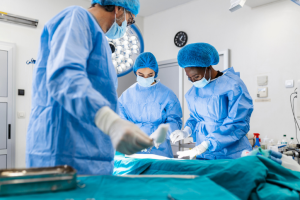 Never Events also occur because the conditions teams work in, including organisational culture and the clinical environment, can affect how processes are followed. Fatigue, lack of communication, and variation in training can all influence human performance, while gaps in systems, unintuitive technology and workflows, can make it harder for staff to apply safety guidance consistently. When pressures on people combine with weaknesses in the wider system, the risk of serious incidents increases.
The NHS aims for a goal of “zero harm”, meaning that preventable patient safety incidents should not occur. However, achieving this across NHS Trusts and organisations remains challenging. Healthcare environments are dynamic, with many teams, technologies, and decisions involved in patient care, which is why ongoing learning from Never Events is essential for improving patient safety.
For the NHS, strengthening governance processes, improving reporting systems, and supporting staff to raise concerns are all vital for reducing the risk of Never Events and improving patient safety outcomes.
The 2025 NHS Staff Survey paints a concerning picture for patient safety as workforce pressures continue to intensify. More than two-thirds of staff report that shortages prevent them from doing their jobs effectively, and this has translated to confidence in care quality declining, with only 62.8% saying they would be happy with the standard of care provided to a friend or relative.
The survey also highlights ongoing concerns about safety culture. While 86.2% of staff say their organisation encourages the reporting of errors, fewer believe meaningful action follows, only 67.3% think steps are taken to prevent incidents recurring, and just 61% report receiving feedback on changes made. Confidence that organisations will act on concerns is also limited, with only 55.5% expressing trust in this, and just 60.3% of staff feeling safe to speak up. These findings are particularly sobering as the Patient Safety Incident Response Framework, designed to strengthen learning and openness, continues to be rolled out, suggesting frontline experience may not yet reflect its intended improvements.
How Never Events Are Reported in the NHS
When Never Events in the NHS occur, it must be reported immediately through established reporting pathways to ensure a timely response. Staff typically notify their manager or patient safety team, who escalate the incident in line with national guidance. This structured approach ensures the event is captured accurately and that any urgent safety actions needed to protect patients are put in place without delay.
Data from Never Events are shared within individual trusts and with NHS England, helping organisations identify patterns, highlight recurring risks, and support learning across the wider system. Each Never Event prompts a formal investigation to understand contributory factors, including both human and system elements, and to identify how processes, environments, or workflows could be strengthened to prevent similar patient safety incidents occurring again.
The Patient Safety Incident Response Framework (PSIRF) provides a consistent approach for responding to safety incidents, with a focus on system learning rather than individual blame. With PSIRF, teams can record incidents, track actions, analyse trends, and monitor improvement over time. With integrated reporting and data tools, NHS organisations can apply PSIRF more effectively and drive continuous, organisation and nation‑wide improvements in patient safety.
“Radar Healthcare not only helps in maintaining a clear governance trail but also aids in the efficient management and investigation of incidents. It streamlines access to critical information, supports our review and update processes, and ensures that staff are guided to the appropriate documents for their needs. This all contributes to a more organised and effective approach to incident management and governance.”
What Happens After a Never Event? Learning, Actions & Oversight
After a Never Event is reported, the focus becomes supporting those affected and understanding how the incident happened within the wider system. Alongside any immediate clinical care, patients and families receive clear, consistent communication so they feel informed and involved throughout. NHS Trusts and organisations recognise the impact on staff and provide environments where individuals feel supported and able to engage openly in the learning process.
Investigations are based upon findings from organisations PSIRF outcomes, which highlight wider contributing factors, such as fragmented information, inconsistent processes and communication, to identify where safety barriers may not have worked as intended and where improvements are needed.
Insights from this process are then used to shape actions that strengthen systems and reduce the likelihood of recurrence, supported by governance processes that ensure these changes are implemented and sustained over time. Building on this, Learning From Patient Safety Events (LFPSE) enables organisations to share and analyse safety data at a national level, helping to identify wider trends and risks that may not be visible from a single event alone. Digital systems further enhance this work by supporting consistent reporting, improving visibility of risks, and making it easier for organisations to track actions and learning across teams.
A positive culture that supports speaking-up is an important part of this process. The Freedom to Speak Up initiative in the NHS provides staff with safe, accessible ways to raise concerns about patient safety, systems, or behaviours. This encourages concerns to be shared early and helps organisations identify risks sooner, respond more quickly, and prevent issues from escalating into serious patient safety incidents.
How Technology Helps Prevent and Learn From Never Events
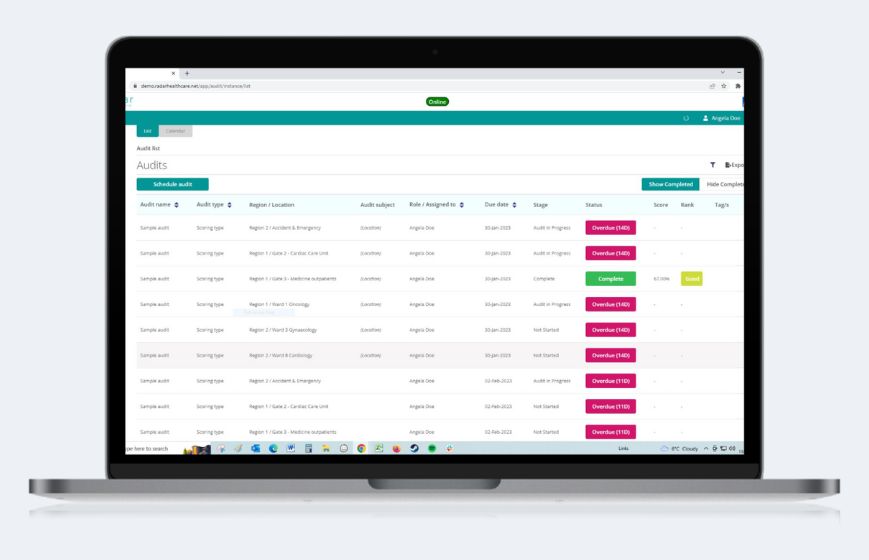
Being able to capture and act on Never Events in the NHS in a timely manner is essential for patient safety, and technology can enhance this process. Digital systems, like Radar Healthcare’s NHS compliant software, streamline reporting workflows, ensuring that incidents are recorded accurately and that the right teams are notified immediately. Additionally, automated alerts, structured workflows, and audit trails help make reporting consistent, timely, and transparent across the organisation.
Beyond reporting, technology can identify patterns and trends across incidents, highlighting recurring issues or emerging risks that might otherwise go unnoticed. Linking this data with staff training, compliance, risk registers, and patient feedback enables organisations to target improvements where they are most needed and monitor progress over time.
By supporting both reporting and follow-up actions, technology reinforces a culture of learning, helping NHS organisations act on insights quickly and strengthen patient safety. Solutions like Radar Healthcare are designed to integrate with each organisation’s processes, providing flexibility while supporting national reporting requirements and driving meaningful patient safety improvements.
"Thanks to Radar Healthcare’s expertise and support, events and audits have been successfully embedded across our services, strengthening our safety culture and improving how we respond to incidents."

Never Events List 2024/25
The NHS publishes data on Never Events throughout the year to support learning and transparency. The Provisional publication of Never Events reported as occurring between April 2025 and November 2025 provides insight into the incidents reported during that period, helping organisations understand patterns and focus improvement efforts.
The Never Events reported during this timeframe include:
- An injection administered on the wrong side or site of the body
- A procedure performed on the wrong patient
- Incorrect site surgery
- Retained swabs following procedures
- An unplanned procedure carried out
By analysing these trends, NHS organisations can prioritise training, refine processes, strengthen oversight, and implement relevant actions to reduce the likelihood of future Never Events. Publishing this information also supports national learning and helps reinforce a culture of continuous improvement in patient safety.
How NHS Organisations Can Strengthen Prevention Measures
Preventing Never Events in the NHS is more than responding to individual incidents, it depends on building stronger systems, clearer processes, and consistent oversight across the organisation. Strong governance provides the foundation for this, clarifying accountability, supporting consistent reporting, and ensuring overviews of safety procedures so that emerging risks are recognised before harm occurs.
Effective communication is equally important, as sharing information between teams, departments, and the organisation helps with understanding of safety protocols. Creating a culture where staff feel confident to raise concerns, share observations, and speak up about potential risks further strengthens early intervention and enables continuous learning across the NHS.
Digital standardisation can reinforce these practices by bringing greater consistency to safety processes. Integrated systems for reporting, managing actions, and monitoring compliance reduce variation and simplify workflows, making it easier for teams to respond to incidents reliably. When combined with accurate data collection, these tools can support predictive modelling that highlights emerging trends, helps anticipate potential issues, and guides preventative action long before incidents occur.
By strengthening governance, improving communication, embedding digital consistency, and using data proactively, NHS organisations can enhance their preventative measures, minimise the likelihood of Never Events, and improve patient safety outcomes.
Why Learning From Never Events Matters for a Safer NHS
Learning from Never Events is a vital part in improving patient safety across the NHS. Consistent reporting, taking action, and having a clear focus on what went wrong all help NHS Trusts and organisations prevent similar incidents from occurring again and strengthen patient safety.
Frameworks such as PSIRF and LFPSE, supported by systems like Radar Healthcare, enable organisations to capture accurate information, monitor workflows, and turn insight into meaningful improvement.
By bringing together reporting, oversight, and analysis, NHS organisations can move beyond individual incidents to identify wider patterns, respond more effectively and improve patient safety.
Book a Demo