



The Importance of Nurses in the Design and Embedding of Digital Workflows
Tags:
Why Nurses Are Essential to Digital Transformation in Healthcare
Digital transformation in healthcare is no longer a future ambition, it’s a pressing reality facing care across the NHS. The adoption of electronic patient records and automated systems to remote monitoring, artificial intelligence, and decision-support tools, emphasises how technology now reaches almost every stage of the patient journey. Yet the success of these innovations does not depend on technology alone, it also depends on the people who use it, interpret it, and adapt it to the realities of day-to-day clinical practice. Now more than ever, nurses are at the centre of this shift.
 Nurses are the Bridge Between Technology and Patient Care
As the largest and most patient-facing part of the clinical workforce in the UK, nurses operate at the intersection of compassionate care and operational reality. They balance clinical demands with human needs, navigating complex environments marked by time pressure, unpredictability, and constant decision-making. This unique vantage point means they can immediately see whether a digital process supports safe, efficient care or introduces new friction, risks, or inefficiencies. Nurses’ leadership is grounded not only in empathy, but in a lived understanding of how the care system works.
Increasingly, organisations are recognising that digital workflows built for nurses, but not with nurses, are unlikely to succeed. When nurses are engaged from the earliest design stages, they offer opportunities to shape requirements, challenge norms and lead the adoption of new technology. This allows systems to more accurately reflect real-world care environments and complexities. This early involvement also prevents costly redesign later, enabling systems to launch more smoothly and deliver measurable improvements in safety, communication and efficiency.
Aligning Digital Innovation With Clinical Reality
The future of healthcare depends on the alignment between digital innovation and clinical reality. Nursing leadership bridges this gap, ensuring that digital workflows strengthen the delivery of care and patient safety outcomes. Organisations that recognise and utilise this expertise will be best placed to achieve transformation that lasts. As technology becomes more embedded in care delivery, understanding its role alongside workforce challenges is critical.
Technology is increasingly central to healthcare delivery, offering the potential to improve safety, efficiency, and the patient experience. Well-designed digital workflows structure processes and provide accurate, real-time data that help teams efficiently manage information and make better clinical decisions. Artificial intelligence, predictive analytics and data dashboards are supporting decision-making, helping clinicians interpret complex trends and highlight risks before they occur.
How Digital Systems Support Nurses and Improve Patient Safety
However, these systems only deliver meaningful benefit when they mirror real clinical practice and are implemented with sufficient training, governance and clarity. When workflows are misaligned with frontline reality, staff can revert to manual processes, undermining both data quality and patient safety. Digital confidence therefore depends on both technological capability and the skills, and leadership of nurses, who rely on these systems to coordinate care and maintain wider teams’ awareness.
 This need for alignment is reflected by the healthcare sector’s global workforce challenges. The World Health Organisation projects a shortfall of 11 million health workers by 2030, mostly in low- and lower-middle-income countries, though all nations are experiencing difficulties in recruitment, retention, and performance. Additionally, with 67% of health and social care staff being women, the importance of creating roles that are attractive, flexible, and supportive for a predominantly female and youth workforce can be clearly seen.
These global trends are mirrored in the UK, where NHS pay settlements illustrate ongoing pressures between supply and demand. HSJ Intelligence reports that this financial year, doctors received a 4% pay rise, while senior leaders, including very senior managers, were only awarded 3.25%. These figures underscore persistent pressures on staffing and the need for tools and processes that make work more manageable and reduce unnecessary burden.
Against the backdrop of workforce shortages, rising demand, and limited pay increases, digital nursing has become essential. It is no longer a niche specialty but must be integrated into everyday practice. Thoughtfully integrated technology helps nurses manage workload and prioritise clinical tasks, allowing them to focus more on direct care. Making digital nursing part of routine care depends on adequate funding, support, and infrastructure to ensure technology genuinely improves patient outcomes.
Technology can streamline processes and increase safety measurements, but it cannot replace the judgement, empathy and adaptability that define quality care. Ultimately, digital transformation succeeds when technology and human expertise work together harmoniously.
Why Technology Must Support, Not Replace, Human Care
Digital innovation offers significant opportunities to improve care, but success depends on aligning technology with the principles that underpin nursing practice: compassion, connection, and personalised care. Technology should complement clinical judgment and human connection, not replace them. When applied effectively, digital tools can make care safer, more efficient, and more accessible. Achieving this requires thoughtful decisions about when and how technology is used, ensuring every solution delivers measurable benefits for both patients and staff.
 The COVID-19 pandemic enhanced digital adoption at an unprecedented pace, challenging assumptions about face-to-face care and creating new models of collaboration. The rapid shift to virtual consultations and digital triage required nurses to redesign workflows on the ground, adapt processes, and ensure patient needs remained central. Their leadership highlighted that sustainable digital transformation requires clinical insights from those delivering care, not simply from those implementing system-wide change.
These experiences during the pandemic demonstrated that technology can enhance compassionate, person-centred care when integrated appropriately. They also showed that digital transformation is not simply about acquiring new tools, it represents a shift in how care is organised, communicated, and delivered. Technology reshapes workflows, alters communication patterns, and introduces new skill requirements for modern nursing practice. Ensuring that these changes strengthen rather than fragment care means placing nurses at the centre of decision-making about digital design and implementation.
These lessons are important as the NHS considers the long-term integration of digital workflows. The value of digital care lies not in the technology itself, but in its ability to preserve and enhance the human elements of nursing. This foundation is essential when considering how nurses will lead the digital future of care.
The Essential Contribution of Nurses When Embedding Digital Workflows
Nurses remain the vital link between digital ambition and the safe, person-centred care patients deserve. They transform strategic goals into practical actions that shape everyday practice. Drawing on their clinical expertise and frontline insight, nurses ensure that digital systems align with real priorities, safeguard patient safety, and preserve the human connection at the heart of nursing.
Digital transformation and adoption only succeed when it aligns with the realities of clinical work, and nurses are best placed to ensure this alignment. They understand how care is delivered under pressure and can quickly identify where digital processes may create duplication, delay, or new risks. When involved in shaping digital workflows, nurses help ensure that systems are intuitive, safe, and capable of supporting care rather than complicating it. Their influence spans design, testing and governance, with nurses at every level contributing insights and championing systems. As technology becomes further embedded in clinical pathways, this ability to shape, critique, and adapt digital systems is becoming a fundamental part of modern nursing practice and lays the foundation for a future where digital literacy is as essential as clinical literacy.
Even the most efficient systems, the most advanced automation, or the most impressive dashboards cannot replace the clinical interpretation and leadership judgement that nurses provide. Digital tools may show patterns, alerts or performance data, but they cannot fully grasp the complexity of a real-life ward. Nurses provide the insight to interpret data, recognising when alerts point to real clinical issues or potential safety risks.
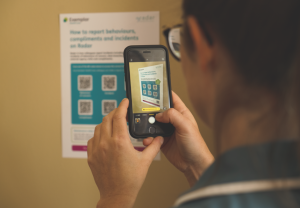 This is why digital systems cannot be embedded without the knowledge and insight of nurses at their heart. When nursing expertise is absent from design, testing and implementation, systems often overlook the realities of frontline practice. Nurses ensure that technology is grounded in the real world rather than just in workflows. Their input transforms digital systems from technical products into practical clinical tools that truly support care.
A vital aspect of this leadership is making data, and the learning that comes from it, easily accessible and useful. If information is presented clearly, teams can understand priorities, track progress, and recognise how change affects patient outcomes. This transparency strengthens standards, reduces repeated errors, and builds confidence by making improvement visible. It also boosts morale as seeing tangible progress builds confidence and strengthens ownership. For nursing leaders, visibility enables better decision making and smarter resource planning. For frontline staff, it positions ongoing learning into daily practice rather than as a retrospective review.
Additionally, technology is only effective when people feel confident using it, and nurses play a central role in building that confidence. Through peer-led support and training grounded in real-world workflows, they make digital capability a natural part of professional practice.
In short, digital adoption is as much about culture as it is about systems and nurses are best positioned to create that culture. They encourage open feedback, support colleagues through change, and celebrate progress that builds momentum around digital adoption. By modelling curiosity, problem-solving and openness to change, they help colleagues view technology not as an additional task but as a meaningful enabler of compassionate, efficient care. In many ways, nurses are the heart of digital transformation, as they link technology with clinical priorities so that innovation strengthens, rather than fragments, the delivery of care.
The Future of Nursing and the Rise of the Digital Nurse
Looking ahead, nursing is set to evolve from a specialist pathway into a core component of everyday practice. As technology becomes embedded across healthcare, digital fluency will become as essential to nursing as clinical judgement, compassionate communication, and safe delegation. Nurses will be expected not just to use technology but to actively shape it, ensuring systems support safe, efficient, and person-centred care.
The future workforce will require a wider range of skills than ever before. Nurses will need confidence in data interpretation, human–technology interaction, clinical safety assessment, and understanding how predictive models influence risk stratification. As AI becomes more prevalent, nurses will increasingly act as translators and challengers of digital outputs to assess accuracy, identify bias, advocate for patients, and ensure that recommendations align with clinical reality. The role of the nurse as a critical, informed mediator between technology and patient experience will only grow.
Current roles such as Chief Clinical Information Officer (CCIO) or Chief Nursing Information Officer (CNIO) play a vital part in guiding adoption and strategy, but over time, digital literacy will become a standard expectation for all clinical leaders. Digital decision-making, data-informed improvement, and system redesign will sit alongside workforce planning, patient safety, and quality improvement as core components of responsibility. This integration will allow a new generation of nurses to rise into senior leadership positions, and other system-wide roles to bring both clinical insight and digital expertise to the forefront of decision-making.
Supporting this transition requires investment in people as much as technology. Nurses stepping into digital roles must be empowered through mentorship, professional development, and opportunities to engage beyond their immediate teams or organisations. Exposure to networks, conferences, and cross-system projects builds confidence and insight, helping them understand emerging technologies and their application in real-world care. Listening to nurses with lived experience remains essential as their understanding of frontline realities is vital for meaningful, sustainable change.
Empowering future generations is not only about creating new roles, but also about reimagining existing ones. Digital competencies should be embedded into traditional nursing roles, ensuring that nurses at every level are equipped to engage with technology purposefully. Whether contributing to system design, improving data capture, or leading transformation projects, nurses must be given the skills, insight, and experience to influence digital healthcare from the ground up. By making digital fluency part of standard practice, the profession ensures that nurses remain active partners in innovation rather than passive users of technology.
The future of nursing is now inseparable from the future of digital healthcare. By making digital skills and confidence an expectation across nursing, it ensures that nurses remain an active body in innovation. This means nurses will continue to shape systems and strengthen the compatibilities between technology and care to maintain real, lasting benefits for patients, staff and communities.
Leadership Spotlight: Rhian Bulmer
 Rhian Bulmer is the Chief Customer Officer at Radar Healthcare, bringing over 27 years of extensive experience across the health and social care sectors. Her career encompasses key roles in various healthcare settings, including ambulance services, primary care, community, and secondary care. This comprehensive background provides her with a deep understanding of the complexities and challenges within healthcare systems.
Passionate about leveraging technology to enhance operational efficiencies and address system-wide issues, Rhian is dedicated to driving transformative change through strategic partnerships and collaboration. She believes that placing the customer at the center of decision-making is essential for achieving meaningful and sustainable improvements in healthcare delivery.
Rhian holds an MBA from Henley Business School, focusing on how technology companies can best support health and social care. Her academic credentials, combined with her extensive industry experience, equip her with valuable insights and strategies to drive innovation and improve outcomes.
In her role at Radar Healthcare, Rhian leads initiatives to foster strong partnerships and collaborations, ensuring that the company’s solutions are aligned with the evolving needs of healthcare organisations. She also works closely with the account management team, ensuring they serve as the voice of the customer within the company, advocating for their needs and driving continuous improvement. Her leadership has been instrumental in integrating advanced technologies that promote interoperability and data-driven decision-making, ultimately contributing to the delivery of safer and more efficient patient care.
You might also be interested in....

The role of the CIO now and in the future
A look at how the modern CIO is evolving into a strategic leader who drives digital transformation, improves system-wide performance, and ensures technology meaningfully supports safer, more efficient care.

Interview with Emma Watson, Former PSIRF Lead at Circle Health Group
An in‑depth conversation with Emma Watson, PSIRF Lead, on how organisations can successfully embed PSIRF at scale through cultural change, stronger learning systems, and practical frontline engagement.

Podcast: Empowering Nurses in the Workplace
A conversation on how nurses can lead meaningful digital change, strengthen patient safety, and shape the future of care by building confidence, capability, and influence across their organisations.