


How Horizon Care Enhances SEND Reporting and Pupil Outcomes with Radar Healthcare
Discover how Horizon Care and Education uses Radar Healthcare to enhance reporting, data insights, and outcomes across their specialist SEND schools.
 Horizon Care: Supporting Young People Through Specialist SEND Education
Horizon Care and Education is a growing provider of specialist education for young people aged 5–19 with Special Educational Needs (SEN). Across their 12 independent day schools and colleges, they help students build the confidence, skills, and resilience they need for adulthood.
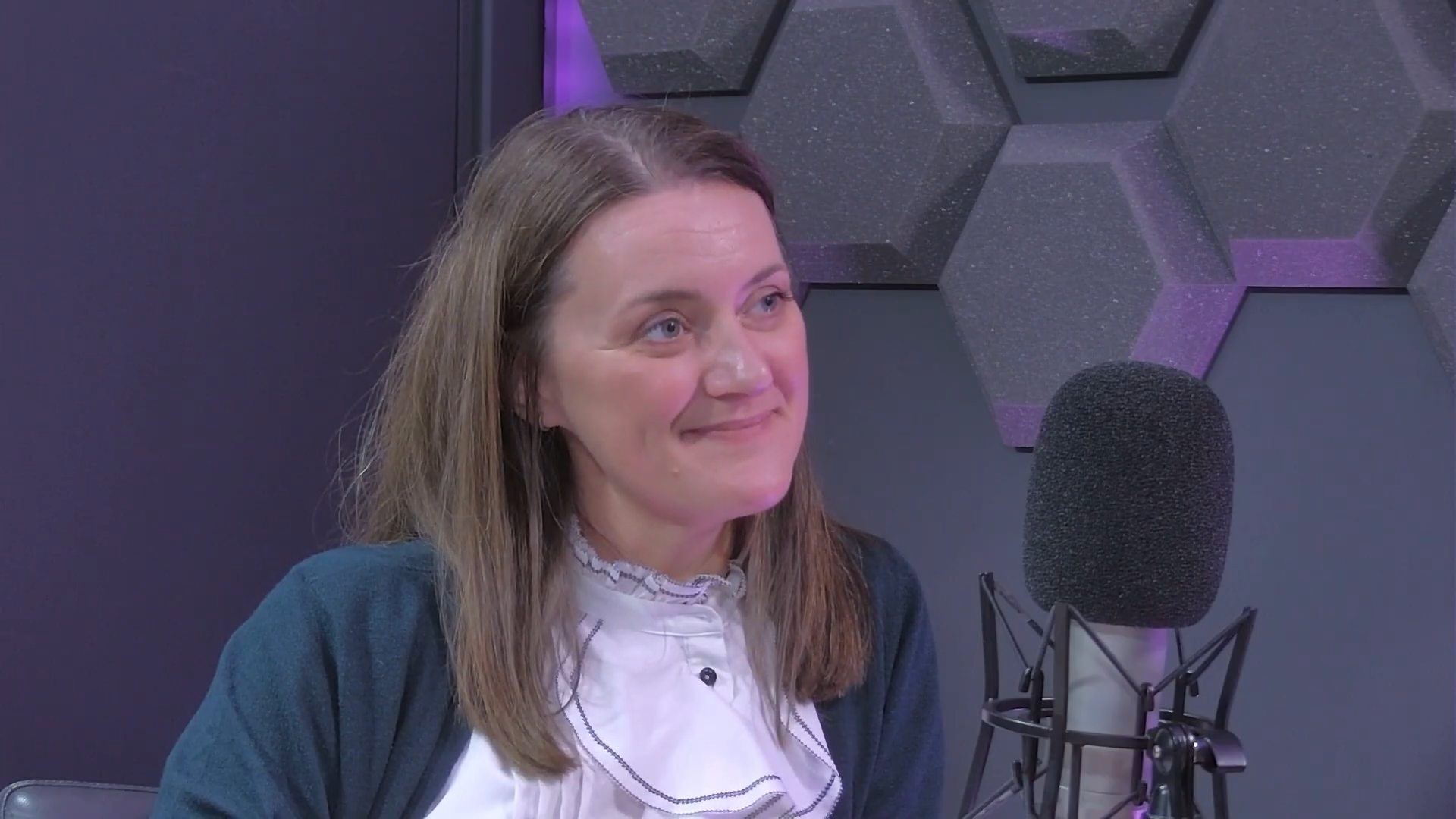
With three new schools launching in the next 12 months, each designed to meet the diverse needs of their pupils, Horizon continues to expand its impact. We recently sat down with Alex Davenport, Director of SEND at Horizon Care and Education, to discuss the new schools, their approach to supporting young people, and how Radar Healthcare helps them maximise reporting and capture essential data to deliver the best care.
Interview with Alex Davenport, Director of SEND at Horizon Care
Q: This is an exciting year for Horizon Care and Education with the new specialist schools opening, can you tell us about the project and why specialist schools are so important?
A: Absolutely, it’s an exciting time for Horizon. We have three new specialist schools opening over the next year, designed around our integrated therapeutic approach. We work with young people who have social emotional, and mental health needs and what makes our offering different is how deeply that therapeutic support is seated within the educational experience. It starts the moment a young person arrives and is reflected in everything from how we design and furnish our buildings to how we plan our curriculum and train our staff.
Specialist schools like ours are so important because many of the young people we support have struggled in other settings or been out of education for some time. When they join us, we take the time to understand their strengths, interests, and areas where they may need extra support. Some young people are incredibly creative, brilliant communicators, or have talents that don’t always show up through traditional academic routes, and we build on those strengths to help them succeed in the areas they find more challenging.
For example, at our Draycot school, the entire environment has been shaped around the needs of the cohort. Many students there regulate through movement and being outdoors, so their day is structured to give them regular access to that. Ultimately, our aim is to create environments where every young person has the best possible opportunity to thrive.
Q: You mentioned some of the therapeutic and design approaches you’ve incorporated. Are there any other elements built into the school design that specifically support the children?
A: Yes, we’re doing a lot of work in this area at the moment. For our new schools we’re working closely with our property developers to shape everything, including the site layout and the arrival experience, making sure each space supports pupils from the moment they walk in. Inside the buildings, we use our Horizon design principles to create clear zones for classrooms, social areas, and coregulation spaces, with colour palettes and layouts that support people with neurodiversity.
We also think carefully about how young people move around the building, avoiding dead-end corridors and creating spaces that feel calm, welcoming, and purposeful, which is especially important for young people who may have had negative experiences in education. Our property partners involve our staff and even our students in the design process, ensuring the environment reflects what young people say helps them feel comfortable and ready to learn.
Q: What are the key objectives you are hoping to achieve with the new specialist schools?
A: Our main objective is to create environments where young people can genuinely thrive. That looks different for every pupil; some have been out of education for a long time, while others have been in school but haven’t had the chance to achieve or progress in ways that work for them. What we want is to help them reconnect with learning and rebuild that love of education, because learning shouldn’t stop at 16. If we can help them enjoy learning again, they’ll feel confident to explore different pathways, whether academic or something more specialised and creative.
A lot of our young people have incredible strengths that don’t always fit traditional academic measures, and our role is to nurture those abilities and use them as a foundation for growth. For example, I recently spoke to a student who has launched her own artificial flower business. She’s passionate about working in that field and attending events, sharing her experiences, and building a career around something she loves.
Our specialist schools are designed to help young people feel they have achieved through the school and that they enjoy learning and have had a positive social experience.
Q: Central to everything you do at Horizon is ensuring that every child is unique and feels valued, and confident about their future. How does this translate to the work you do and what is it about being Director of SEND that is so rewarding?
A: Horizon has been on a real journey since I joined three years ago. We’ve worked hard to evolve our educational offer so that the curriculum and the SEND provision are fully integrated rather than treated as separate elements, as it was historically. It means every young person gets a truly bespoke experience, but within a framework that still supports wider academic standards and achievements. We want every student to have a clear pathway, whether that’s a more academic route, vocational, or something creative, and we’ve invested a lot into ensuring those options are visible and accessible. Our Head of Careers, Chloe O’Malley, and the teams across our schools do brilliant work helping young people explore post16 education, apprenticeships, and future opportunities.
For me, as Director of SEND, and with my background in occupational therapy, the most rewarding part is watching children grow in confidence, independence, and self-advocacy. Seeing that happen every day is incredible, and it’s not just the young people who inspire me. Our Therapeutic and SEND teams go above and beyond, constantly bringing new ideas, energy, and compassion to their work. They think it’s just part of the job, but the impact they have on young people’s lives is extraordinary.
How Horizon Care Uses Radar Healthcare
Q: Could you tell us about how you use Radar Healthcare to improve outcomes for children?
A: We wanted a platform that gave us the opportunity and flexibility to capture meaningful data, rather than siloed information, that could tell us the whole story.
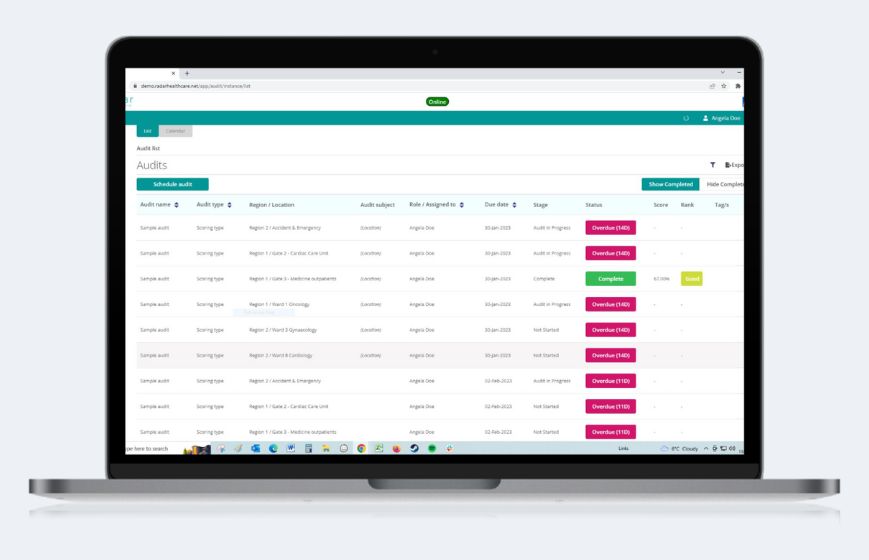
 Radar Healthcare has allowed us to create forms ourselves, and to reflect on the workflows we need. It has given us full ownership of our reporting and the data we extract for analysis. We can now collect data on a young person, including information on how much therapy they’ve had and whether they have met their goals. We’re also able to pull data on a school level and build this into their development plan. The platform has been a key tool in helping us ensure we’re meeting the needs of our young people.
Within Horizon, multiple teams use Radar Healthcare and it’s been a really positive experience for all of us.
Q: Looking ahead, how do you plan to use Radar Healthcare to further support your schools and the young people you work with?
A: The next phase for us is about bringing different data points together and understanding the bigger picture for each young person. Radar Healthcare already holds a lot of information, so we want to start joining that up, for example, tracking whether a change in a young person’s life coincides with an increase in incidents, and whether increasing their therapeutic input has an impact on that. This will help us see patterns much more clearly.
That insight is incredibly valuable because when a young person is struggling, it can be hard for them to recognise their own progress. Being able to show them and our teams how things are changing over time will really strengthen the support we offer. Equally, if a particular therapeutic approach isn’t working anymore, the data will help us identify that early and adjust the support to better meet their needs.
Q: What do you hope the future of specialist education looks like and how can schools and organisations continue to support children to thrive?
A: Personally, I’d really like to see SEND reform create more flexibility and versatility in the education system. There’s a huge opportunity for stronger collaboration between different sectors, particularly independent and mainstream settings, because each brings real benefits for young people. One positive that has come out of the reform so far is that it’s given families and young people going through the Education, Health and Care Plan (EHCP) process a platform to share their experiences, frustrations, and ideas.
My hope for the future of specialist education is that we continue moving towards a more adaptable, versatile approach that recognises the full range of young people’s needs and aspirations.
Conclusion
Horizon Care and Education’s work showcases how therapeutic approaches, thoughtful school design, and intelligent data management can transform outcomes for young people with SEND. By using Radar Healthcare to capture insights, identify patterns and guide the support they provide, their teams are better equipped to help every pupil in a meaningful, personalised way.
As Horizon continues to expand, their commitment to data‑driven, compassionate SEND provision sets a strong example for the future of specialist education.