

Customer Spotlight: Circle Health Group, Nuffield Health and Ramsay Health Care
One Shared Goal: Improving Patient Safety Through Collaboration
Radar Healthcare marked an important milestone in February 2026, holding its first User Group Summit, an event designed to bring partners from across the health and social care sectors together to share insight, strengthen collaboration and explore the future of patient safety.
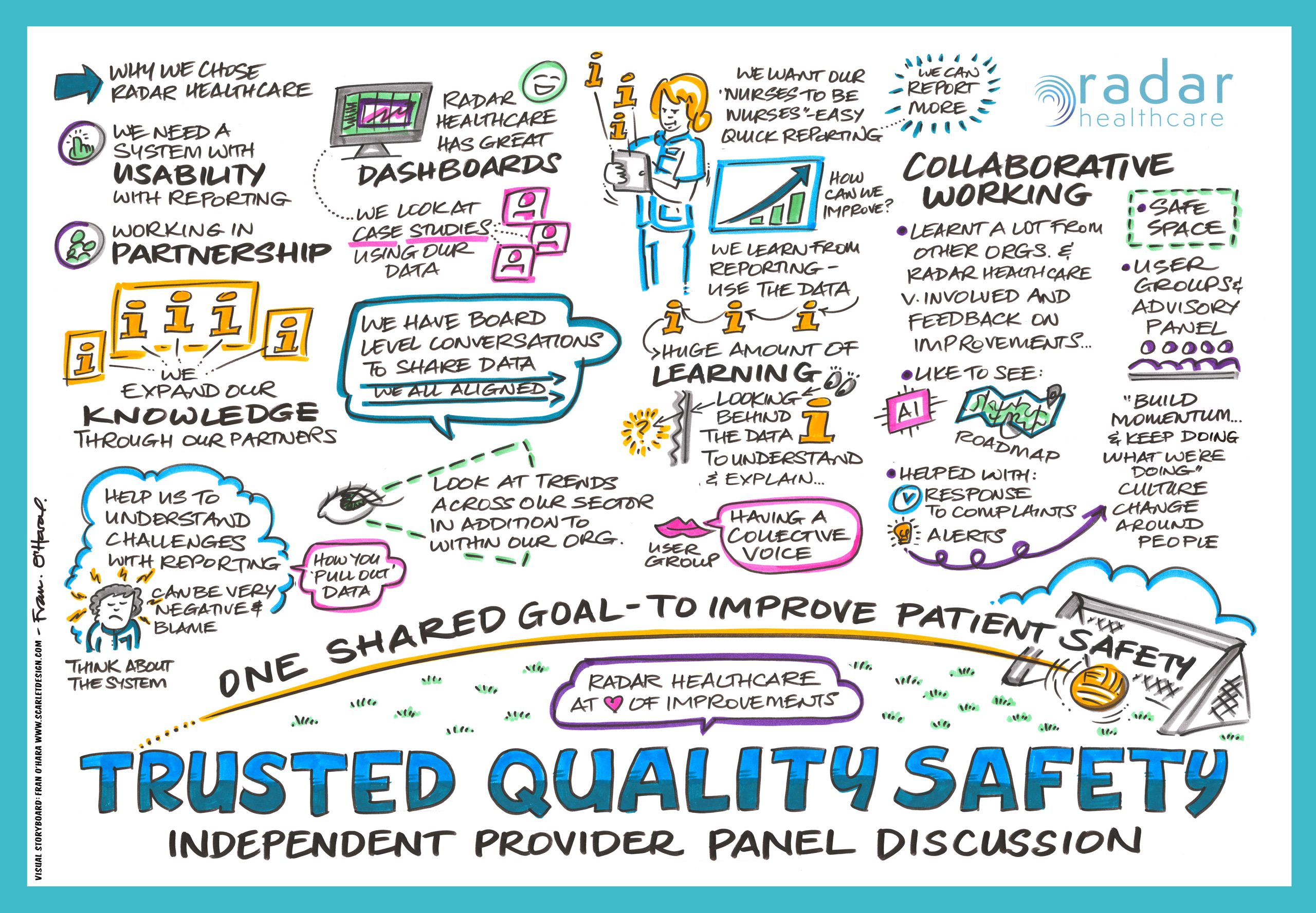
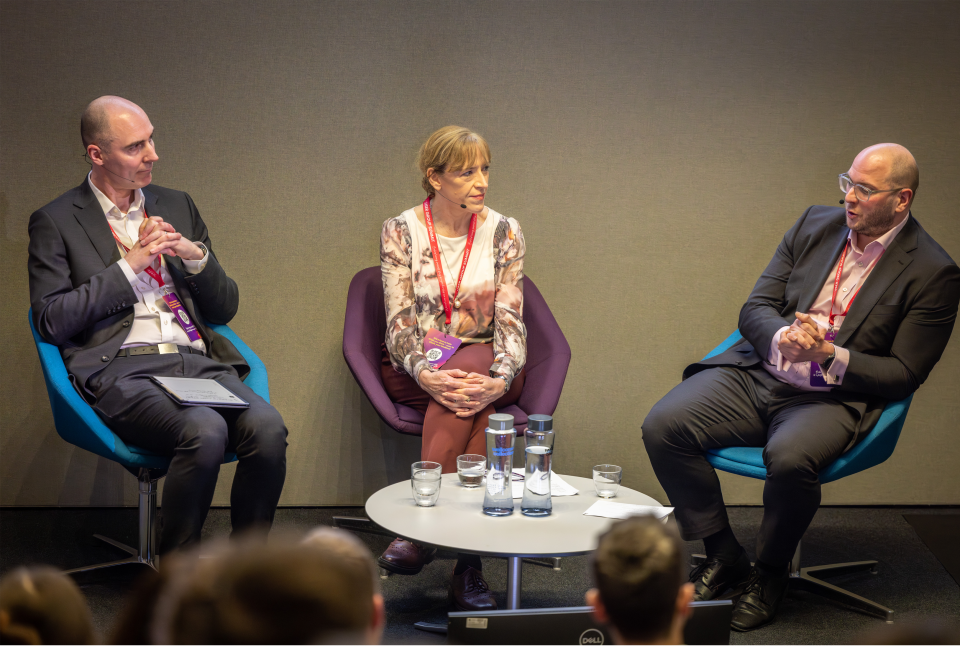
During the Summit, an independent healthcare provider panel session was held with Simon Geoghehan from Circle Health Group, Mary Cregg-Lock from Ramsay Health Care UK and Chris Drinkall from Nuffield Health. Their conversation reflected on the role digital innovation is playing in reducing harm, improving patient safety and supporting a culture of openness and continuous learning.
One Shared Goal: Improving Patient Safety Through Collaboration
Improving Efficiency and Visibility to Support Safer Patient Care
Opening the discussion, Chris Drinkall spoke candidly about the practical and cultural shift that Radar Healthcare has enabled within Nuffield Health. He highlighted the organisation’s move toward streamlined digital processes, particularly the impact of automated LFPSE reporting in reducing administrative burden and freeing staff to focus on looking after patients.
“The partnership working with Radar Healthcare feels as though Nuffield Health has expanded its quality team.”
Ramsay Health Care has also seen a significant shift, with improved visibility emerging as its core benefit. Mary Cregg-Lock shared that clearer oversight of trends and early indicators allows Ramsay Health Care UK’s 34 hospitals to act before potential issues escalate. Instead of siloed information sitting within a single department, Radar Healthcare ensures insights flow seamlessly to the people who need them most.
Echoing these insights, Simon Geoghegan emphasising patient safety as the shared purpose uniting all organisations represented at the summit and describing how collaboration between independent providers helps strengthen standards both within and across organisations.
“The one thing we all have in common is patient safety and we do not want to compromise on that.”
Simon Geoghegan also spoke of the importance of working together, particularly as clinical teams face increasing pressures. When organisations share learning, he said, they strengthen not only their own systems but the culture of patient safety across the entire sector.
Using Data to Understand Real Patient Safety Progress
A key question for the panel was how leaders know when patient safety is genuinely improving. For all three organisations, the answer lies in meaningful, contextualised data. Simon spoke of the importance of combining incidents with visual dashboards that make information easy to interpret, allowing Circle Health Group’s teams to learn efficiently and spend less time navigating systems and more time caring for people. Usability is essential, he noted, systems must support staff rather than distract them, adding, “nurses should be nurses.”
For Nuffield Health, Chris discussed how Radar Healthcare enables a level of insight that helps identify anomalies, monitor patterns and conduct deep dives into low and no harm events. These insights inform targeted actions before harm occurs, supporting a shift from reactive to proactive safety management.
Mary shared how Ramsay Health Care UK’s implementation of PSIRF using Radar Healthcare has supported learning rooted not only in harm but in identifying what strong practice looks like. She explained that understanding positive responses helps teams build confidence and replicate success, ensuring improvement is driven not solely by issues but by celebrating what works well.
Turning Shared Learning into Actionable Change
As the conversation developed, the panellists explored how their organisations translate insight into action in ways that reflect their structures and clinical models. Mary described how Ramsay Health Care UK clusters data across 34 hospitals, enabling leaders to build meaningful comparisons that guide operational decisions. Simon explained that Circle Health Group breaks data down by speciality to give teams richer, contextualised insight, strengthening both accountability and learning. Chris highlighted the importance of presenting data clearly for executive boards, noting that the best insights are those that enable leaders, regardless of statistical background, to understand risk quickly and improve patient safety outcomes.
One of the strongest points of alignment among the panellists was the value of Radar Healthcare’s User Groups. They described these forums as rare spaces where organisations can share challenges, pressures and lessons learned openly. Chris noted that relying only on internal reporting can inadvertently create confirmation bias; discussing experiences with peers enables Nuffield Health to progress more quickly. Simon added that User Groups offer a unique opportunity to directly influence platform development, particularly around evolving areas such as LFPSE.
“Radar Healthcare’s willingness to listen and act on user feedback reinforces trust and ensures that enhancements genuinely meet the real needs of hospitals with effective reporting.”
Building a Culture of Openness Through Collaboration
Cultural change featured repeatedly throughout the session, with all three panellists noting that technology alone cannot transform safety. Mary highlighted how targeted alerts across Ramsay Health Care have improved response times and strengthened engagement with incident learning. Simon stressed the importance of recognising and celebrating positive reporting behaviours, helping reinforce the culture independent healthcare organisations are striving to build. Chris spoke about psychological safety, how Radar Healthcare’s transparency across sites provides essential visibility without creating fear or blame, encouraging staff to report more openly and honestly.
Leadership, the panel agreed, sits at the heart of any improvement journey. Chris discussed the need to balance retrospective analysis with a forward-looking approach that anticipates risks before they occur. Mary emphasised that strong learning cultures highlight effective responses to incidents, helping teams understand what good practice truly looks like. Simon added that the most effective learning happens in organisations where leaders model openness “from the very top,” creating a culture where reporting is not feared but embraced.
The session concluded with a shared belief in the power of collaboration. The panellists agreed that mixing voices from independent healthcare, social care and the NHS strengthens the insights emerging from each User Group. As Mary noted, hearing directly from partners who are already using Radar Healthcare helps new organisations adopt effective use of the system more quickly, improving safety.
Chat to us today