


Boosting Retail Efficiency with Radar Healthcare: A Success Story with Dorothy House Hospice
How Dorothy House Hospice Care are boosting retail efficiency with the help of Radar Healthcare
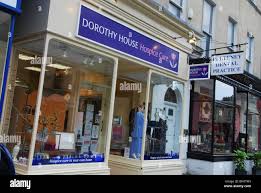
Dorothy House Hospice Care has discovered a creative approach to utilising Radar Healthcare’s Audits module in their retail stores. These shops generate substantial income, nearly equivalent to that of the NHS main Contracts, making them an essential financial resource for the hospice’s county-wide services.
We had a conversation with Melanie Barber, the Digital Systems Transformation Partner at Dorothy House Hospice Care, to gain insight into their use of the system and the advantages it offers.
“Our main priority was to save time, cut down on paperwork, and enhance compliance. Previously, the retail team recorded all their inspections in a paper folder, which Area Managers reviewed every couple of weeks. With 24 shops and only 2 Area Managers, covering all locations often resulted in quick visits. Consequently, the paper records were sometimes overlooked, leading to poor oversight. Now, with Radar Healthcare, anyone can generate a report to verify that inspections are being conducted. The goal was primarily to ensure adherence to health and safety standards and compliance policies, while also improving the transparency of audits.”
Q: Would you recommend extending the use of Radar Healthcare to other stores, such as those run by charities and hospices? Often, people may not recognise that it can be applied to non-clinical aspects too.
A: Indeed, we utilise Radar Healthcare across the entire organisation. It’s not limited to our inpatient unit, Hospice at Home, and similar services. We also employ it in our retail outlets. Our vans, which transport furniture, make almost as much use of the incident reporting system as our clinical teams, thanks to its convenience and accessibility on mobile devices.
The introduction of Radar Healthcare has led to an increase in our incident reporting within these departments because it allows for real-time submissions via smartphones. Gone are the days when staff had to return to the office to print a form, fill it out, and send it to the appropriate person. Now, incidents can be recorded instantly at the scene. For example, in the unfortunate event of a car accident, the relevant details can be captured immediately. The system prompts users to gather essential information, such as witness names and street names, ensuring that all necessary details are documented.
On another front, if a delivery person inadvertently damages a customer’s wallpaper when they are delivering furniture for example, the incident can be logged straightaway. This enables the Area Manager to promptly contact the affected customer to apologise and offer a solution. Consequently, our response times have significantly improved, and this efficiency has proven beneficial for our retail teams.
We also rely on Radar Healthcare for our fundraising activities. For instance, if someone sustains an injury while participating in a marathon, the same system applies. Ultimately, it’s about ensuring the wellbeing of all individuals under our care, be they patients, donors, or supporters.
Although originally designed for clinical use, we’ve expanded its application to include information governance and data breaches. For instance, if an e-mail is inadvertently sent to the wrong recipient or if patient records are mistakenly attributed to the incorrect individual, such incidents are meticulously recorded within Radar Healthcare. This approach ensures that every detail is accounted for and enables us to address issues promptly and effectively. Overall, the system has greatly enhanced our operational efficiency across various departments, underscoring its value beyond clinical settings. This comprehensive use of technology exemplifies our commitment to maintaining high standards of care and service in all aspects of our work.
Q: What Audits do you do on Radar Healthcare?
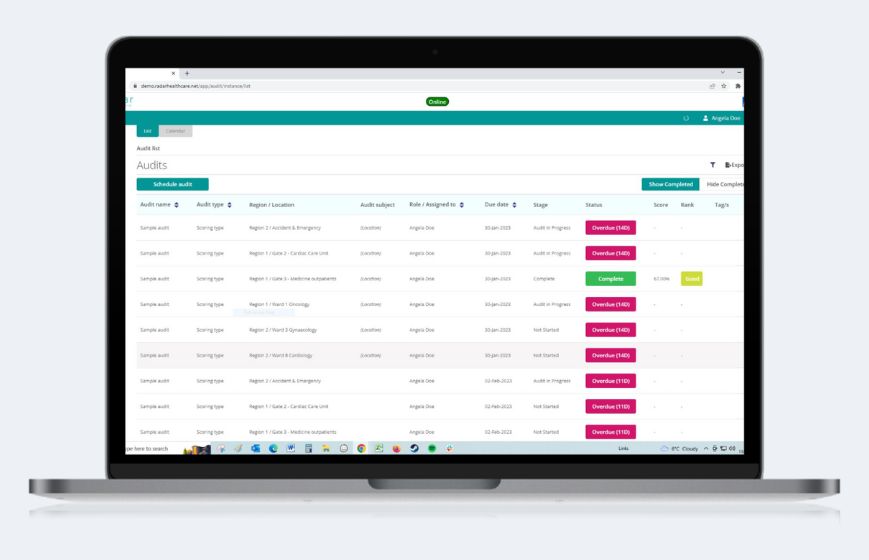
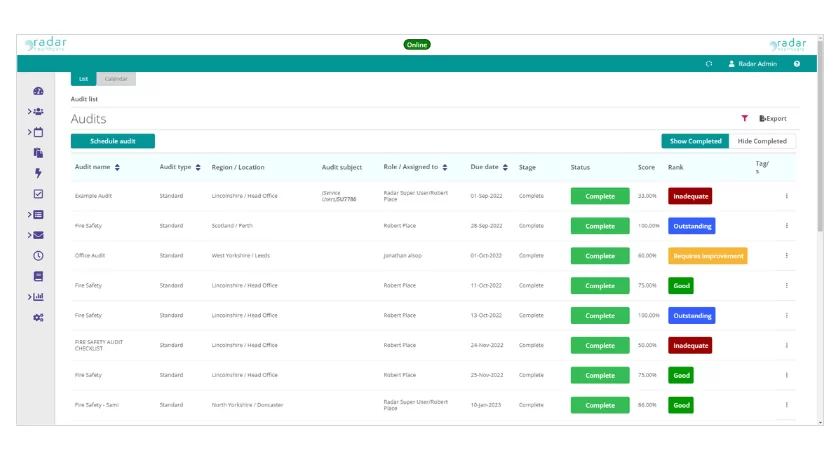
A: All our retail teams undergo weekly inspections to ensure general health and safety standards are maintained. These inspections cover fire alarms, emergency lighting, smoke detectors, firefighting equipment, fire exits, stairways and corridors, electrical wiring, and portable heaters. Additionally, every three months, they verify the battery in the safe, setting a reminder to replace it to prevent shutdowns. Biannually, a fire evacuation drill is conducted. The First Aid Boxes are also reviewed regularly, helping teams confirm they have all necessary supplies and, if not, assign tasks to replenish any missing items.
In the future, we intend to incorporate vehicle checks for our van drivers into the Radar Healthcare system. This will include verifying the oil levels, washer fluid, brakes, and other essential components. Currently, these checks are recorded on paper and often overlooked, so integrating them into Radar Healthcare as part of the regular audits will enhance efficiency and ensure nothing is missed.
Q: What is the rationale behind conducting an audit over a scheduled task?
A: One of the primary reasons was the ability to include images, which isn’t possible in scheduled tasks. For instance, I wanted to illustrate what the gauge on a fire extinguisher should look like and how the seals on a fire door ought to appear. While experienced staff may eventually disregard these photos, I felt it was crucial for new managers and employees to have these visual aids. Additionally, there are other advantages such as linking to action plans and analytic dashboards. However, one of the main objectives was to make the audits as straightforward as possible by providing additional prompts and details.
Q: Do you have any specific actions you take when faced with a failure, or something similar? Is that also managed through Radar Healthcare?
A: Yes, when asked have you inspected the fire alarm this week and did you encounter any issues or malfunctions? If you respond negatively, it triggers a notification prompting an action. This means the necessary repairs must be arranged, either by contacting the facilities team or by setting a reminder for the required fixes, which can then be forwarded to any relevant personnel within the organisation. All employees are registered as users, enabling them to send notifications to anyone so the process is very easy.
Q: What’s the process been like?
A: The system has proven to be highly beneficial. Although there are numerous actions involved, everything generally functions smoothly, which is reassuring. However, should any problems arise, staff can notify their Area Manager and request a replacement or repair for the malfunctioning equipment.
Initially, it might have seemed daunting, but Radar Healthcare essentially serves as a recording device. The procedures and inspections remain unchanged; the only difference is that recording the data digitally is far more convenient than logging it manually in a book. We have already trialled it in four retail outlets and plan to implement it across all locations.
Q: Has it made the Area Manager’s job easier now they can see the data anytime?
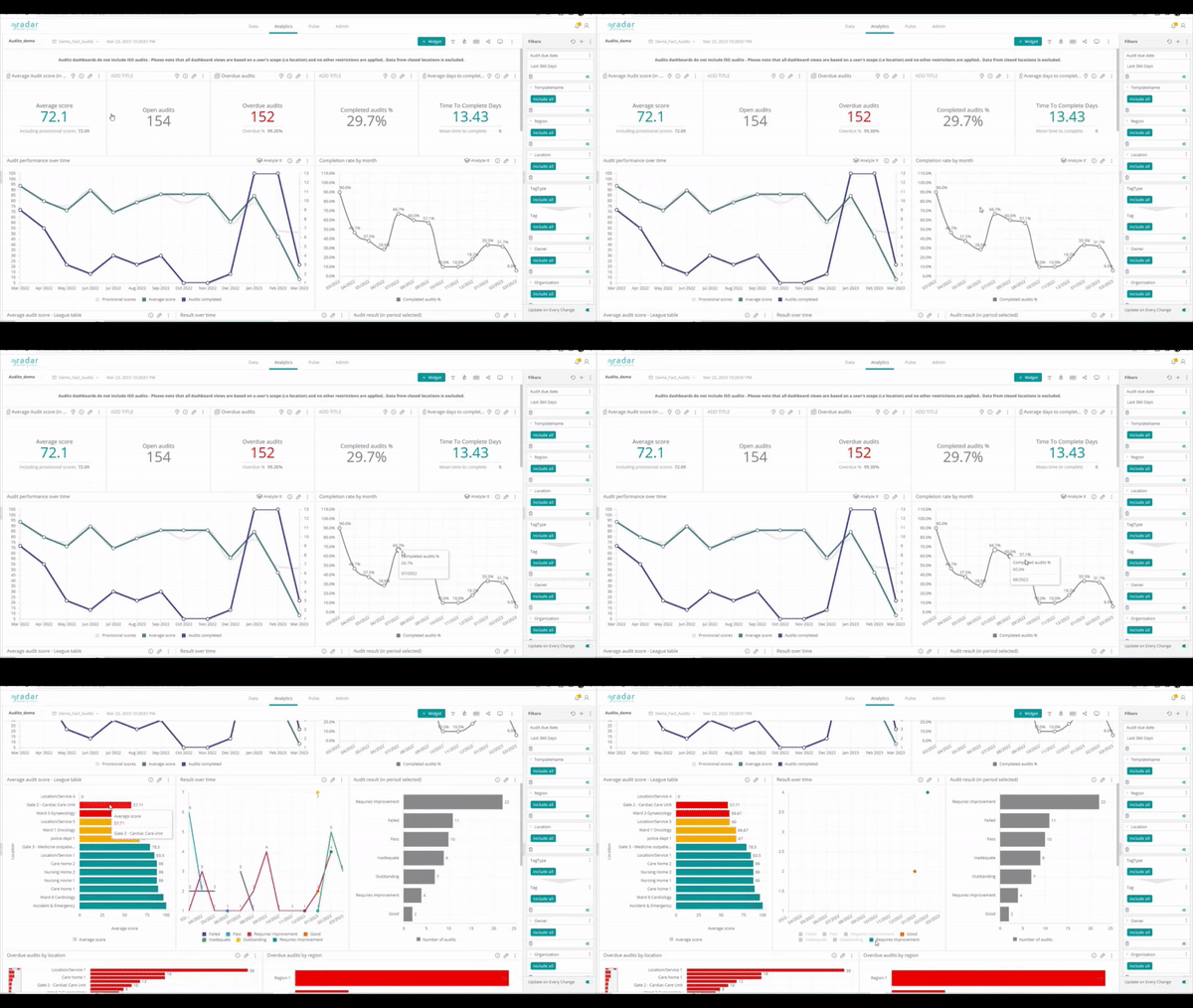
A: Yes, they are happy as it allows them to access the dashboards in the analytics section when they are doing their admin time. They can easily identify which shops haven’t completed their tasks for the week and send them a gentle reminder to do so. Consequently, someone can monitor the situation remotely, which gives us the oversight and visibility we need.
Request your free demo today

This site is protected by reCAPTCHA and the Google Privacy Policy and Terms of Service apply.