


Which Governance Platforms Offer Role-Based Dashboards for Executives and Ward Managers?
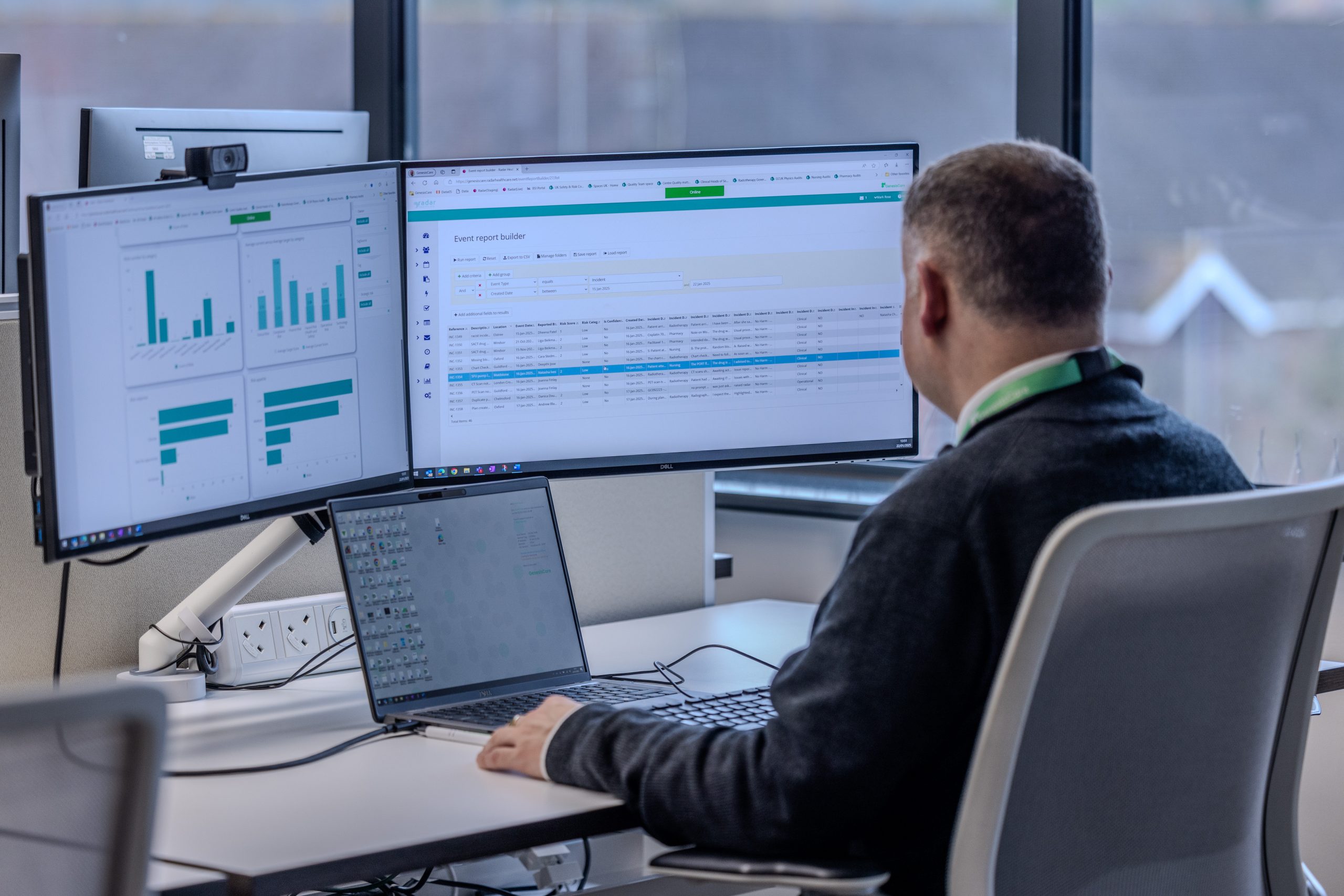
Effectively managing roles and permissions is at the heart of any governance platform that supports the NHS and healthcare organisations. With the increasing complexity of healthcare operations, the ability to provide role-based dashboards tailored to the specific responsibilities for each team member is crucial. Executives, ward managers, and frontline teams all have different responsibilities, pressures, and information needs. A role‑based dashboard ensures each person sees the insights most relevant to them, helping them work more efficiently and make better decisions.
Radar Healthcare has long recognised the importance of aligning visibility with responsibility. Our dashboards are designed to empower everyone, from frontline managers to senior leadership, with clarity, focus, and confidence. By tailoring insight to each role, our platform ensures that the right people get the right information, at the right time.
Why Role‑Based Dashboards Matter in NHS Governance
Role‑based dashboards bring structure and clarity to governance processes. Instead of overwhelming staff with organisation‑wide data, they present only what’s relevant to each user. Executives benefit from high‑level organisational insight including; performance trends, risks, and escalation points. While ward managers gain operational visibility into the areas they oversee day‑to‑day.
This approach also supports smoother workflows. Users spend less time trying to navigate complex data, and more time understanding what needs their attention. For governance teams, clinical staff, and quality managers, this means increased accountability, faster action, and improved continuity across teams.
What Executives Need:
Strategic Oversight That Drives Improvement
Executives rely on big‑picture intelligence to steer their organisations. They need clear visibility of patterns across services, the ability to identify emerging risks, and the confidence that action plans and escalations are being managed effectively.
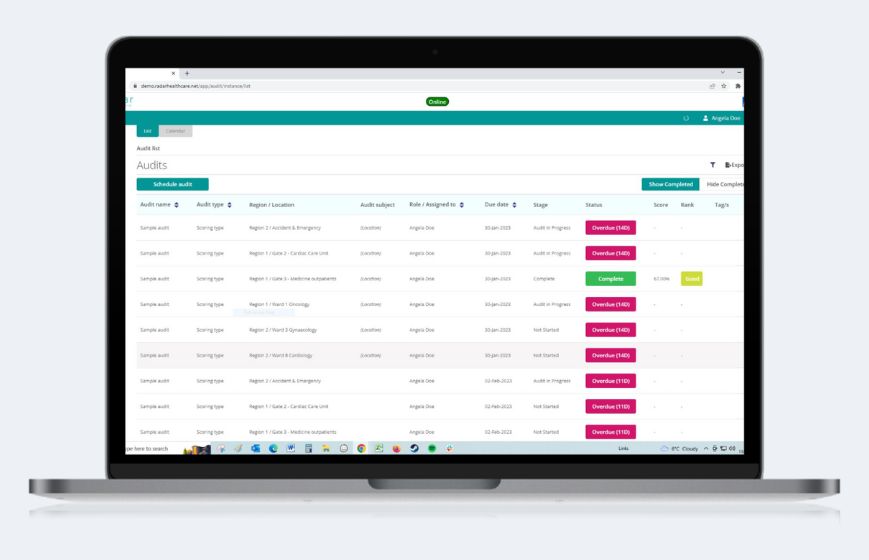
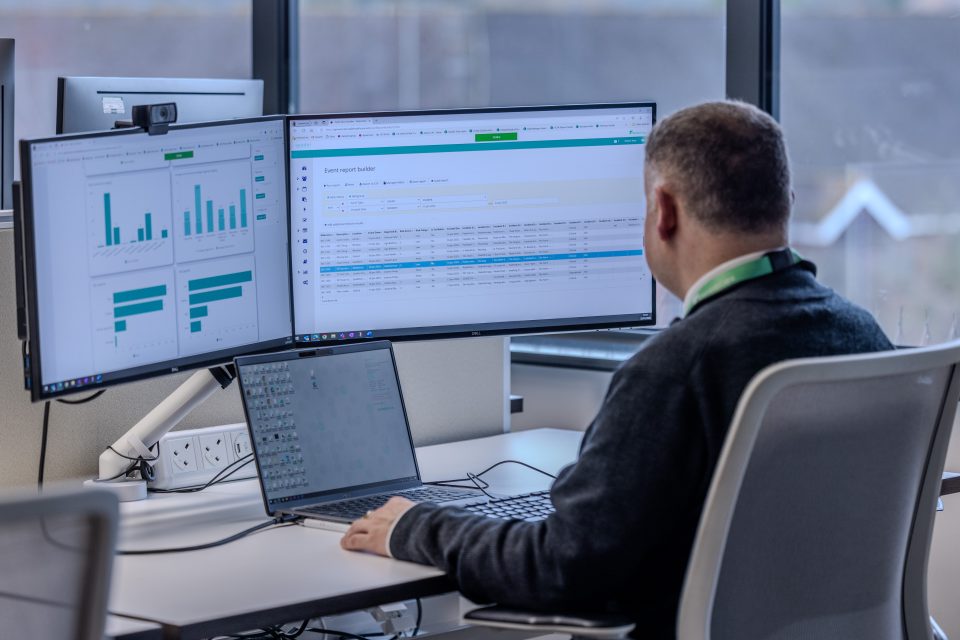
Radar Healthcare supports this by offering dashboards designed for organisational leadership. These views bring together all relevant insights including, events, risks, audits, and compliance activities into one place, making it easier to spot trends, monitor performance, and prioritise action. Executives can quickly move from overview to detail, allowing them to understand what’s happening across their Trust and take strategic decisions grounded in real data.
What Ward Managers Need:
Operational Insight That Keeps Services Running Smoothly
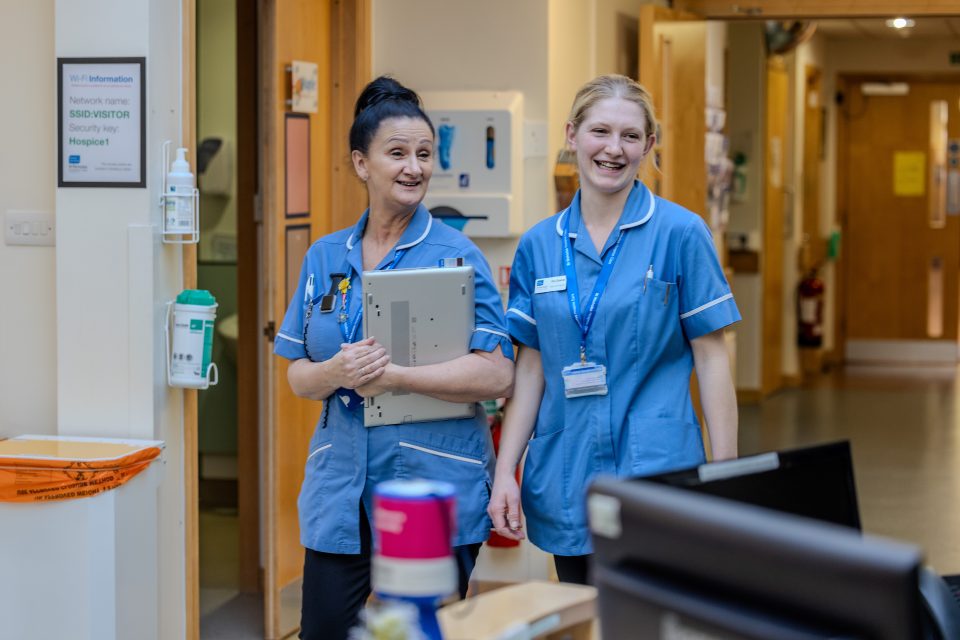
Ward managers spend every day balancing staff, patients, processes, and safety. They need systems that simplify their work, not add to it and Radar Healthcare’s role‑based dashboards give them a clear, localised view of the information they need to act quickly and effectively.
From tracking outstanding actions to reviewing events and managing day‑to‑day operational tasks, ward managers can access relevant, real‑time data about their areas without being overwhelmed by information from across the organisation. This ensures that frontline teams stay informed, focused, and empowered to maintain high standards of care.
“With Radar Healthcare, it will be possible to have a single action list that links to all of the relevant events, and you're able to keep track of it and see it on your dashboard and know how you progressing it and report it effectively. So that's going to be such a timesaver and such an opportunity to improve quality of care.” Melanie De Witt, Chief Nursing Information Officer, North Bristol NHS Trust.
How Governance Platforms Deliver Effective Role‑Based Dashboards
To truly meet the needs of executives and ward managers, an effective governance platform should offer certain key features. Radar Healthcare exemplifies this approach by combining flexibility, clarity, and usability into its role management strategy including:
Customisable Role Permissions
Effective role management starts with simplicity. Rather than creating long lists of job‑title‑based roles, organisations are encouraged to define lean, function‑focused system roles such as Basic User, Location Manager, or Regional Manager. This keeps permission sets clear, manageable, and aligned with how staff actually interact with the platform.
Automated Role Management
Onboarding new users can be one of the most time‑consuming administrative tasks. Automated role assignment supports consistency and reduces manual effort by giving every user a basic role and layering additional permissions only where needed.
Real‑Time, Relevant Data
Executives can access organisation‑wide insights that help them shape strategy.
Ward managers get a precise view of their wards, departments, or services.
Each user only sees what is relevant to them helping provide clarity and focus.Scalability & User‑Friendliness
A governance platform must support staff with different responsibilities and varying degrees of digital confidence. Radar Healthcare is designed to be intuitive, visually clear, and easy to navigate, ensuring it can be used confidently by teams across the NHS.
Integration with Existing Processes
Governance systems should work with your organisation, not against it. By integrating seamlessly with incidents, audits, risks, action plans, and alerts, Radar Healthcare ensures that data flows naturally from one process to another, reducing duplication and keeping teams aligned.
Real‑World Improvements Across NHS Organisations
Radar Healthcare’s role‑based dashboards are already helping Trusts improve visibility, understanding, and quality outcomes.
At North Bristol NHS Trust, teams across clinical, frontline, and leadership roles now have a clearer view of audits, their impact, outstanding actions, and feedback. This shared visibility allows teams to focus their improvement efforts where they will have the biggest impact. As Paul Cresswell, Director of Quality Governance, puts it:
“If we understand what’s going on, we’ve got insight. If we’ve got insight, we can actually focus our improvement.”
For organisations that require more flexibility, the platform’s customisability is a key advantage. Bini, a Healthcare Governance and Risk Manager, describes it simply:
“From an administrative perspective, I like that we can customise the data captured to reflect our needs, whilst still remaining easy to use for all.”
One NHS partner highlights how Radar Healthcare helps them work proactively rather than reactively by triangulating different types of data:
“By using this data predictively and preventatively, we can identify services under strain before incidents occur. This approach allows us to implement resilient interventions proactively rather than reacting after problems arise.”
Together, these examples show how role‑based dashboards support both day‑to‑day operations and long‑term planning, helping organisations stay ahead of issues, improve communication, and maintain a strong, learning‑focused culture.
How Organisations Can Implement Role‑Based Governance Successfully
To get the most from any governance platform, organisations should:
- Begin by identifying their core system roles
- Map permissions to responsibilities within their hierarchy
- Keep the number of roles low to avoid complexity
- Consider integration options for automated user creation
- Build permissions by layering roles rather than creating entirely new ones
These foundations ensure dashboards remain clear, functional, and aligned with the needs of each user group.
Choosing a Governance Platform that Works for Every Level
The best governance platforms don’t just display data, they tailor it. Role-based dashboards empower executives to lead strategically and ward managers to operate efficiently. Radar Healthcare stands out for its flexible role structures, intuitive dashboards, and real-world NHS impact.
With clear visibility, automated permissions, and insights that drive improvement, Radar Healthcare helps organisations work smarter and deliver better outcomes for staff and patients.
Talk to us today