


NHS ConfedExpo 2026: From Policy to Practice Across a Changing NHS
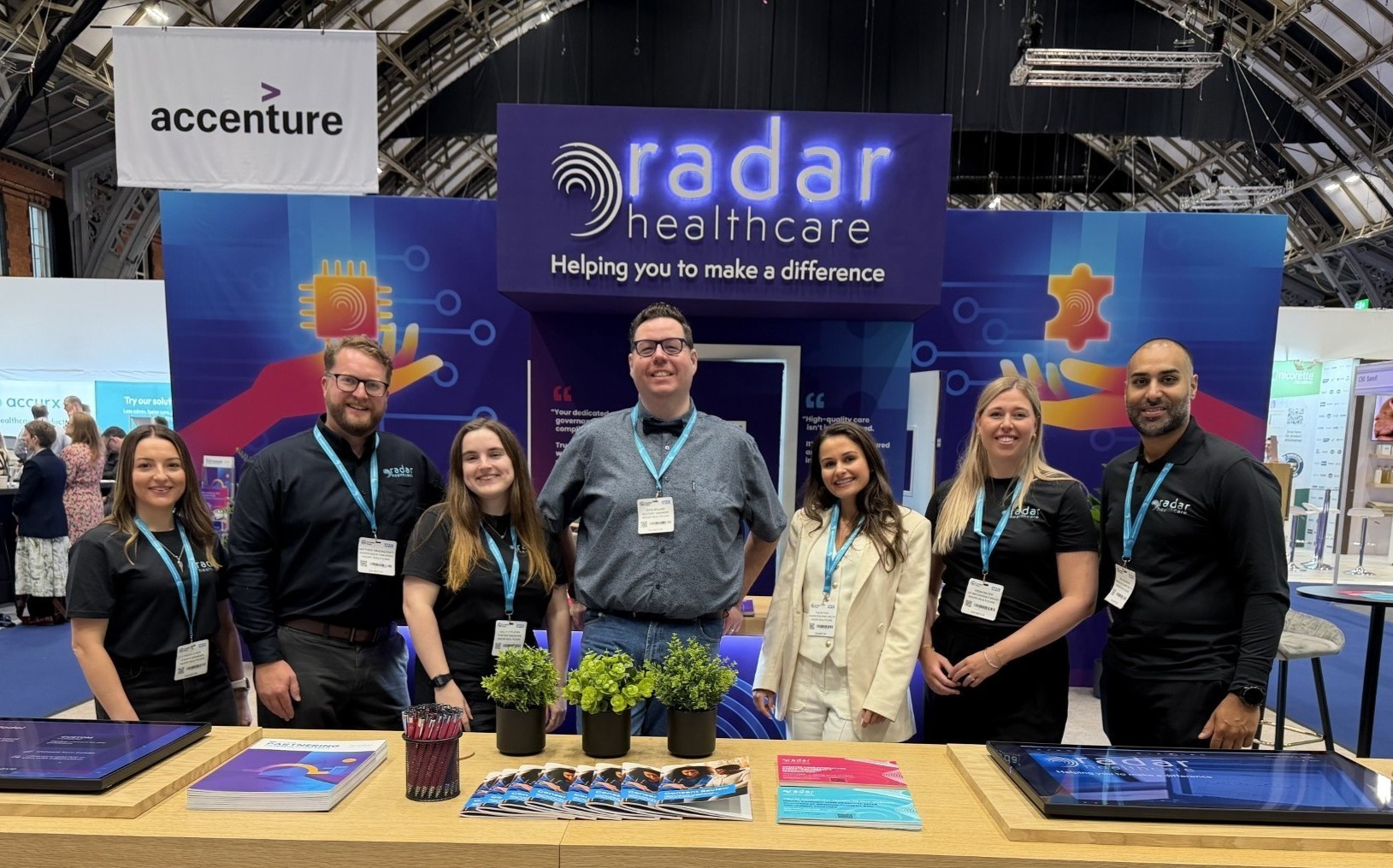
At NHS ConfedExpo 2026, it became clear that the NHS is entering its next phase of transformation. One defined not just by technology and policy, but by prevention, partnership and local population health.
Across keynotes, panel discussions and real-world case studies, four themes consistently emerged: the NHS 10-Year Health Plan, the growing role of AI, the need for more inclusive communication and the shift towards neighbourhood-based care.
In this article, we explore what these developments mean for NHS leaders and the practical challenges and opportunities they present for healthcare organisations.
Progress and Innovation Surrounding the NHS 10-Year Health Plan
The NHS 10-Year Health Plan provided the backdrop for many of the discussions throughout the conference, with speakers exploring how national ambitions can be translated into meaningful local change.
During the session What Makes an Advanced Foundation Trust? Lessons from High Performing Providers, Miranda Carter, Director of Systems Architecture at NHS England, outlined how the Advanced Foundation Trust (AFT) programme aims to reinvigorate and modernise the Foundation Trust model. The programme is designed to provide organisations with greater freedoms while maintaining strong accountability, governance and financial sustainability.
Miranda highlighted three key questions organisations should be able to answer when considering AFT status:
- Are you well led?
- Are you delivering high-quality care with strong governance?
- Are you financially sustainable?
A recurring message throughout the discussion was that greater autonomy must be matched by transparency and responsibility. Organisations may benefit from reduced oversight, but there remains an expectation of accountability and that challenges must be identified and addressed.
John Grinnell, Chief Executive of Alder Hey Children’s NHS Foundation Trust, shared his organisation’s journey and described how Alder Hey increasingly sees itself as an “Institute for Child Health” rather than simply a hospital. He spoke about the importance of creating a truly integrated system for children and young people, bringing together partners across health and care to improve outcomes for an entire population.
For John, the Advanced Foundation Trust model represents an opportunity to strengthen partnership working, encourage innovation and create greater flexibility. He also highlighted the potential for cultural change, enabling staff to feel empowered to lead improvement and embrace new ways of working.
The theme of leadership and accountability was reinforced by James Benson, Chief Executive at Central London Community Healthcare NHS Trust, who argued that NHS organisations have a responsibility not only to deliver services but to help communities thrive. He suggested that accountability should extend beyond organisational performance and focus on the wider populations being served.
The conference’s focus on reform continued in A Health System Fit for the Future: Turning Reform and Legislation into Local Impact.
 Matthew Kershaw, Chief Executive of Croydon Health Services NHS Trust and Place-Based Leader for Health in Croydon, spoke about the opportunities presented by greater decentralisation and local ownership. Drawing on examples from Croydon Health Services NHS Trust, he highlighted the value of patient panels, community engagement and voluntary sector partnerships in shaping services around local needs.
He stated the importance of Croydon Health Services NHS Trust’s patient panel as bringing them closer to the residents of Croydon and for interacting with “actual patients who are actually using your services and getting actual feedback.”
This theme was echoed during the keynote address from Sir James Mackey, Chief Executive of NHS England. Reflecting on the achievements of NHS organisations over the past year, he praised colleagues for demonstrating that the NHS can successfully tackle multiple priorities simultaneously.
Looking ahead, he emphasised the need to move care closer to communities, strengthen collaboration and break down traditional barriers between services.
Across the conference, it was reiterated that the success of the 10-Year Health Plan will depend not only on policy and reform but on organisations to translate ambition into action through strong leadership, partnership working and local decision-making.
The Role of AI in Healthcare and How Organisations Can Adopt It Safely and Responsibly
Artificial intelligence was also a key topic discussed throughout NHS ConfedExpo, with conversations focusing less on future possibilities and more on practical implementation.
During the session examining the challenges surrounding communication and engagement of the 10-Year Health Plan, Rob Checketts highlighted Ambient Voice Technology (AVT) as an example of innovation already delivering value within healthcare settings. By reducing administrative burden and enabling clinicians to focus more fully on patient conversations and appointment, AVT was presented as a tool capable of improving both productivity and patient experience.
Tom Gurney, Director of Strategic Communications and Engagement, NHS Hampshire and Isle of Wight ICB, explored the growing role of AI in communications and engagement, suggesting that public expectations are rapidly evolving.
As people have become accustomed to instant access to information and services, healthcare organisations will need to adapt. He also highlighted AI’s potential to bring together multiple sources of insight, including public feedback, population data and service intelligence, to support more informed decision-making.
Kate Jarman, Chief Corporate Services Officer, Milton Keynes University Hospital, discussed the opportunities technology presents for patient empowerment, particularly through tools such as the NHS App. However, she also highlighted the importance of addressing digital inequality and ensuring that technological advancements do not create new barriers to access.
The session AI Without the Hype: Safe, Practical Adoption in the NHS offered further insight into how organisations are approaching implementation.
Victoria Furfie, Chief Clinical Information Officer at Alder Hey Children’s NHS Foundation Trust, stressed the importance of starting with a clearly defined clinical need rather than adopting technology for its own sake. She noted that while there is significant interest in AI, organisations must first understand the problem they are trying to solve and ensure that any solution aligns with patient and clinical requirements.
Richard Leonard, Chief Technology Officer at Northumbria Healthcare NHS Trust, agreed with this sentiment, emphasising the need for measurable objectives, clear governance and staff readiness. He argued that AI should be implemented to solve specific challenges rather than simply because it is available.
Discussions around safety were particularly prominent. Speakers agreed that organisations retain responsibility for the safe use of AI, even when technologies are supplied by external vendors. Victoria highlighted the importance of remembering there is a ‘human in the loop’, while Richard stressed the need for ongoing monitoring rather than assuming a technology can simply be deployed and forgotten.
Several speakers also touched on the importance of trust. Conversations around the Single Patient Record highlighted the opportunities associated with improved data sharing, while also raising important questions around governance, ownership and public confidence.
The overall message was that successful AI adoption depends on balancing innovation with responsibility, ensuring that governance, transparency and patient trust remain central throughout implementation.
Improving Accessibility Across Healthcare Communications
Another strong theme emerging from the conference was the increasingly strategic role of communications and engagement within healthcare transformation.
Emphasising that communications and engagement professionals have a critical role to play in supporting delivery of the 10-Year Health Plan, Rob spoke of how beyond raising awareness, communications teams will be responsible for helping people understand change, supporting implementation and ensuring communities remain engaged throughout the process.
Kate reinforced the importance of understanding local communities and developing campaigns that reach different audiences through multiple channels. She highlighted the need for deeper insight into underserved communities and stressed that accessibility must remain a priority, whether communicating through digital platforms or supporting patients attending appointments.
 These themes continued during the session The Power of Inclusive Communications: Building Trust, Improving Care.
Beginning the session, Edna Boampong, Director of Communications and Engagement, Liverpool City Council, challenged organisations to think carefully about who they are engaging with and avoid treating all communities as a single audience. Effective engagement, she argued, requires organisations to understand local needs, build trust and tailor approaches to different population groups.
Dominic Benson, Director of Communications and Engagement at NHS Birmingham and Solihull and NHS Black Country, shared lessons from the 2023-24 measles outbreak in Birmingham and Solihull. He explained that national messaging alone was not generating the desired response and that organisations needed to better understand the reasons behind low vaccine uptake. By taking a more targeted and community-focused approach, teams were able to build trust and improve engagement.
Shak Rafiq, Strategic Communications and Engagement Lead at Bradford Teaching Hospitals NHS Foundation Trust, reinforced this message by highlighting the diversity that exists within communities and the different challenges people face when accessing healthcare.
This serves as an important reminder that meaningful engagement requires organisations to move beyond one-size-fits-all approaches and recognise the unique needs of different groups.
Bringing Care Closer to People Through Neighbourhood Health and Local Communities
Perhaps the most consistent theme across the conference was the ambition to deliver care closer to people’s homes and communities.
John Grinnell spoke about the importance of creating an integrated system for children and young people, arguing that organisations must think beyond individual services and consider the health of entire populations. He highlighted the need to connect more effectively with neighbourhoods and local communities as part of this vision.
James Benson expanded on this idea, suggesting that the NHS should move from focusing solely on delivering services to helping communities thrive. He argued that organisations should be accountable not only for the care they provide but for the broader outcomes experienced by the populations they serve.
The importance of neighbourhood health was also evident in discussions around reform and integrated care. Dr Amit Sharma, Chief Executive Officer, GP Partner, Berkshire West Primary Care Alliance, highlighted the critical role of primary care and argued that it must be fully embedded within wider health and social care services if integrated models are to succeed. He described clinically led, entrepreneurial approaches within primary care as the “beating heart” of neighbourhood care.
Matthew Kershaw similarly emphasised the value of local ownership and community engagement. He pointed to the role of voluntary and community sector organisations in understanding local needs and argued that meaningful change happens when services are designed alongside the people who use them.
Sir James Mackey returned to this theme during his keynote, describing the NHS as an integral part of the communities it serves. He spoke about strengthening relationships between hospitals, primary care, local authorities and community services, while ensuring that patients experience a more joined-up and seamless system.
Importantly, speakers acknowledged that achieving this vision will require changes to funding models, organisational behaviours and traditional ways of working. However, there was broad agreement that neighbourhood-based care will be central to the future direction of the NHS.
Final Reflections
The conversations at NHS ConfedExpo 2026 reflected a health service that knows where it needs to go: more proactive, better connected, and built around the safety of the people it serves.
It’s a direction Radar Healthcare exists to support. As healthcare organisations work to turn this week’s ambitions into measurable outcomes, having the right governance infrastructure in place has never mattered more.